 Save to Pinterest
 My neighbor stopped by on a gray Tuesday afternoon with a bag of carrots from her garden, and I found myself standing at the stove with no real plan except to use them before they wilted. That's when I remembered ginger sitting in my pantry and thought, why not blend them together? Twenty minutes later, the kitchen smelled like autumn had moved in, and I was ladling something so naturally sweet and warming that my skeptical teenage son asked for seconds. That soup became the thing I make now whenever someone needs comfort or when I just want to feel like I'm doing something right in the kitchen.
I made this for my book club last spring, and one of my friends who usually orders salads ended up having three bowls. She asked if there was cream in it—there wasn't, just coconut milk—and that moment told me everything about why this soup works. It bridges that gap between health-conscious and indulgent without making anyone feel like they're compromising.
Ingredients
- Olive oil: Just enough to get things moving without heaviness; I use a good quality one because you actually taste it here.
- Medium onion, diced: The base of everything savory, and dicing it fine means it melts completely into the soup.
- Garlic cloves, minced: Two is the sweet spot—enough to matter, not enough to overpower the carrots.
- Carrots, peeled and sliced: About 700 grams worth; they're the star, so pick ones that feel firm and vibrant.
- Fresh ginger, peeled and finely grated: This is where the magic lives, and using a microplane makes it almost fluffy rather than stringy.
- Vegetable broth: One liter of something you actually like the taste of, because it's going to carry the whole soup.
- Coconut milk: Optional but honestly transforms it into something restaurant-quality; I keep a can on hand always.
- Sea salt: Season as you taste, not all at once.
- Black pepper: Fresh ground makes all the difference in brightness.
- Lemon juice: The half lemon is what keeps everything from tasting flat and one-note.
Tired of Takeout? 🥡
Get 10 meals you can make faster than delivery arrives. Seriously.
One email. No spam. Unsubscribe anytime.
Instructions
- Get your pot warm and ready:
- Heat the olive oil over medium heat until it shimmers slightly, then add your diced onion. You're looking for it to go translucent and just barely golden at the edges, which takes about three to four minutes. Don't rush this step because these minutes are where the flavor foundation gets built.
- Wake up the aromatics:
- Stir in the minced garlic and grated ginger, and the whole kitchen will suddenly smell alive. Let it cook for just a minute until fragrant—you want the raw edge to soften, not the flavors to brown.
- Introduce the carrots:
- Add your sliced carrots and give them a couple minutes of contact with the hot oil, stirring gently. They don't need much time here, just enough to start releasing their sweetness.
- Add the broth and let it simmer:
- Pour in your vegetable broth, bring it to a boil, then lower the heat and cover the pot. Simmer for twenty to twenty-five minutes until the carrots are completely tender when you pierce them with a fork. This is the time to just let it do its thing while you handle other things.
- Puree into silkiness:
- Remove from heat and blend it smooth using an immersion blender right in the pot, or work in batches with a regular blender if that's what you have. The texture should be velvety, not chunky.
- Season and finish:
- Stir in your coconut milk if using, squeeze in the lemon juice, then taste and adjust salt and pepper. Warm it gently for a couple minutes without letting it boil.
- Serve with intention:
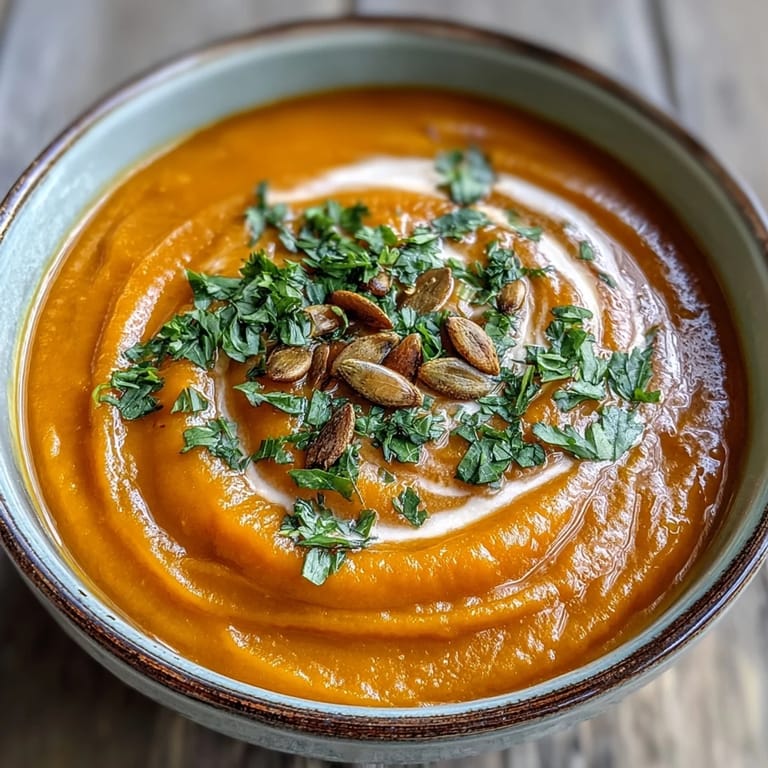
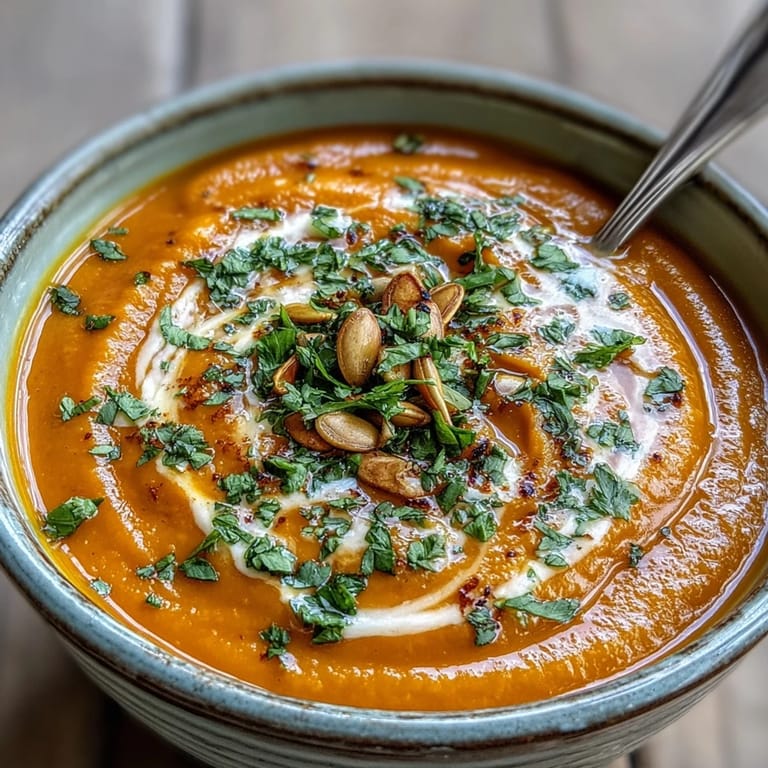
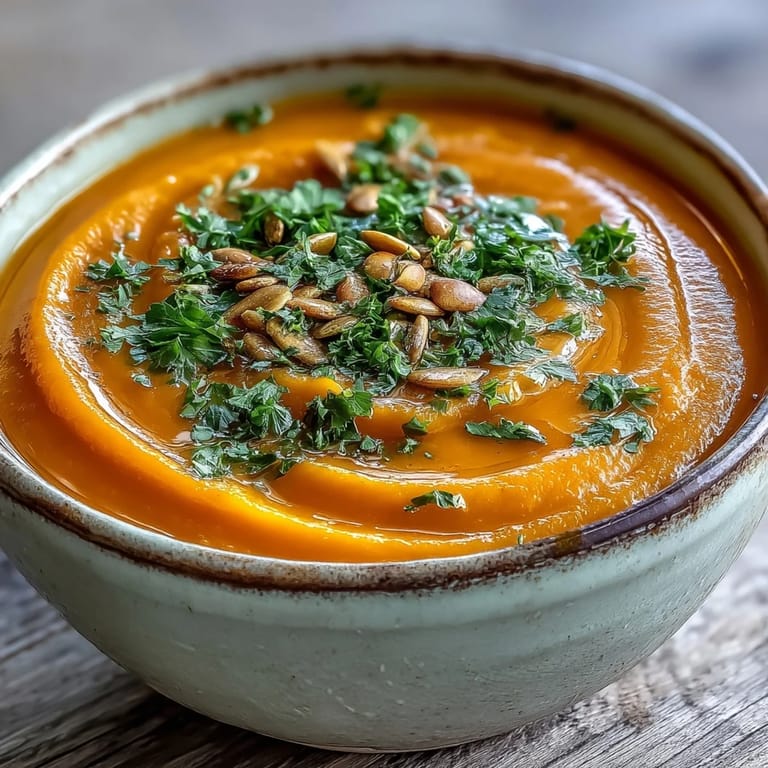
- Ladle it hot into bowls and add whatever you have on hand—a drizzle of coconut milk, fresh cilantro, or even toasted pumpkin seeds make it feel special.
 Save to Pinterest
 There was an afternoon when a friend was going through something difficult, and she came over without really knowing what she needed. We made this soup together, chopping and stirring, and somewhere between the ginger smell and the meditative blending, the whole mood shifted. Food doesn't fix real problems, but sometimes cooking together reminds us that we're not alone in them.
The Ginger Question
Fresh ginger is the thing people get nervous about, but honestly it's forgiving. I've made this with barely two tablespoons and with a heaping three, and both versions tasted good—just different versions of good. The fresher your ginger, the more alive the soup tastes, so don't buy the stuff that's been sitting around. If you grate it fine, it disappears into the broth rather than leaving little hot bits, which is the texture experience you want.
Swaps and Flexibility
This recipe is honestly one of the most forgiving things to make, which is partly why it works. If you don't have coconut milk, heavy cream makes it richer or you can leave it out entirely for something lighter. Adding a small pinch of cumin or coriander makes it taste different in a good way—warming and almost exotic. I've even added a tiny bit of turmeric once and it shifted the whole mood of the soup into something that felt almost medicinal in the best way.
Serving and Pairing
This soup shines as a starter because it's rich enough to feel substantial but light enough that you can still eat the main course without feeling stuffed. At lunch, I pair it with crusty bread and call it a complete day. The leftovers actually taste better the next day—all the flavors have had time to get to know each other and settle into something even more rounded.
- Toast some bread with a little olive oil and garlic if you want to feel fancy about it.
- Fresh herbs scattered on top at the last second keep everything from tasting too heavy.
- It freezes beautifully if you want to make extra and just have comfort waiting in your freezer for harder days.
 Save to Pinterest
 This is the soup I make when I want to remember that good food doesn't have to be complicated, and that sometimes the best moments in a kitchen are the simple ones. Make it for people you care about, or make it just for yourself on a day when you need something warm.
Ask About This Recipe
- → How long does this soup keep?
Store in an airtight container in the refrigerator for up to 5 days. The flavors actually develop and improve after a day or two.
- → Can I freeze this soup?
Yes, freeze for up to 3 months. Thaw overnight in the refrigerator and reheat gently on the stovetop, adding a splash of broth if needed.
- → What can I use instead of coconut milk?
Heavy cream, cashew cream, or additional broth work well. Omit entirely for a lighter version—the soup remains deliciously smooth.
- → How do I get the smoothest texture?
Blend thoroughly with an immersion blender for 2-3 minutes. For ultra-silky results, pass through a fine-mesh sieve after blending.
- → Can I use frozen carrots?
Fresh carrots yield better texture and flavor. If using frozen, expect slightly softer results and adjust cooking time by 5 minutes.