 Save to Pinterest
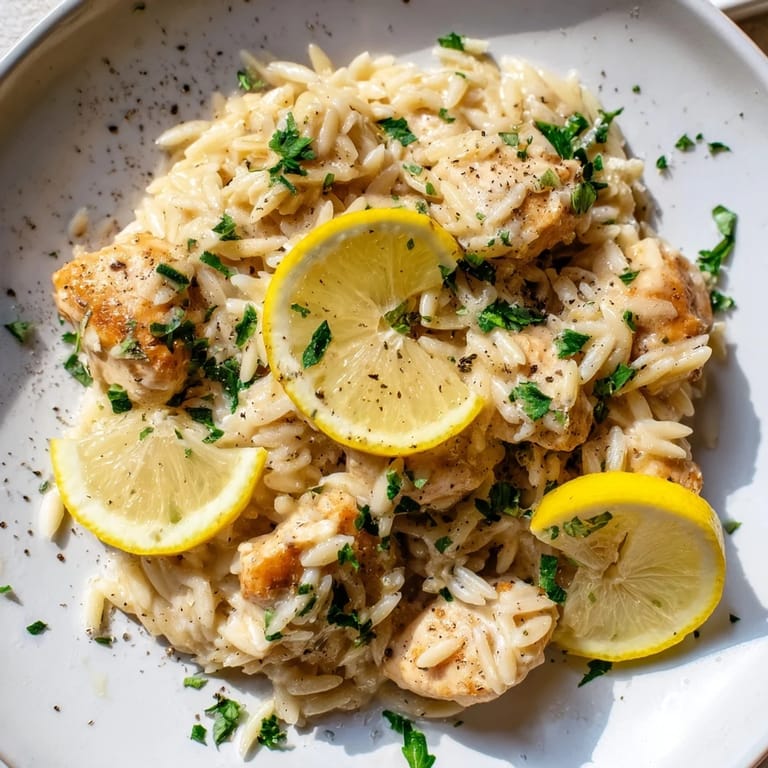
 There's something about the way lemon hits you when a creamy sauce breaks open—it happened to me on a Tuesday night when I was trying to avoid ordering takeout again. I had chicken breasts, pasta, and half a lemon in the crisper drawer, and somehow those three things turned into the kind of meal that makes you pause between bites. Now I make this every few weeks, and every time that golden cream catches the lemon juice, I remember why it became such a reliable favorite.
I made this for a friend who'd just moved to the neighborhood, and she showed up hungry and skeptical—she thought creamy pasta would be too rich for a weeknight. Watching her expression shift as she tasted it was worth every ingredient I pulled from the cabinet. She's now made it twice and texted me photos both times.
Ingredients
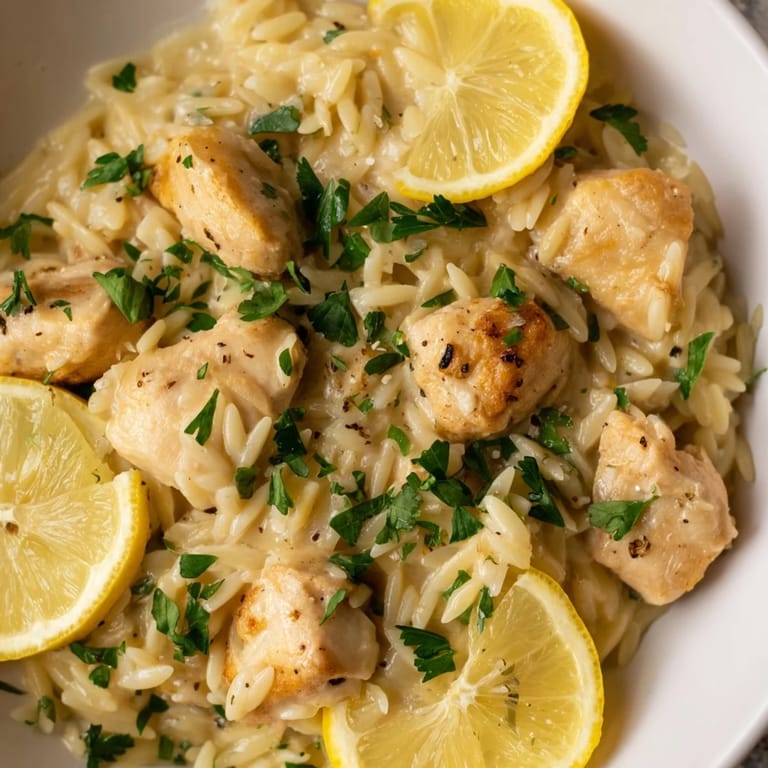
- Chicken breasts: Cutting them into bite-sized pieces means they cook quickly and distribute evenly through the creamy sauce without overshadowing the other flavors.
- Olive oil: Good for getting the chicken golden, which builds flavor that carries through the whole dish.
- Butter: This is what makes the aromatics smell incredible and gives the sauce its silky foundation.
- Onion and garlic: The backbone of warmth in this recipe—mince the garlic small so it melts into the sauce instead of sitting in chunks.
- Orzo pasta: It's small enough to soak up cream without getting mushy, and it feels elegant without trying too hard.
- Chicken broth: Low-sodium matters here because you're reducing the liquid and adding Parmesan, which is already salty.
- Heavy cream: Don't skip this or use a substitute unless you specifically want a different texture—it's what makes this feel luxurious.
- Lemon zest and juice: The zest goes in early so the oils cook into the sauce, and the juice balances everything at the end.
- Thyme and red pepper flakes: Thyme feels Mediterranean and keeps things herbaceous; the red pepper flakes are optional but add a quiet heat.
- Parmesan cheese: Adds umami depth and helps thicken the final sauce when it melts.
- Fresh parsley: Scattered at the end for brightness and because it looks intentional on the plate.
Tired of Takeout? 🥡
Get 10 meals you can make faster than delivery arrives. Seriously.
One email. No spam. Unsubscribe anytime.
Instructions
- Season and sear the chicken:
- Pat your chicken pieces dry before seasoning with salt and pepper—this helps them brown instead of steam. When the oil is hot enough that it shimmers and moves around the pan, add the chicken and don't touch it for a couple of minutes so it gets a proper golden crust.
- Build the aromatic base:
- After the chicken is out, melt butter and let it get foamy before adding onion, which should take on a soft, almost glassy look. Add the garlic and toasted orzo at the same time so the pasta picks up that nutty flavor from the heat.
- Deglaze and combine:
- When you pour in the broth, use a wooden spoon to scrape up all those brown bits stuck to the bottom—that's concentrated flavor you don't want to leave behind. The lemon zest and juice go in now, followed by the cream, and everything should smell instantly brighter.
- Bring it together:
- Return the chicken to the pan, bring everything to a gentle simmer, and let it cook uncovered so you can watch the orzo soften and the sauce reduce slightly. Stir occasionally so nothing sticks or cooks unevenly.
- Finish with cheese and herbs:
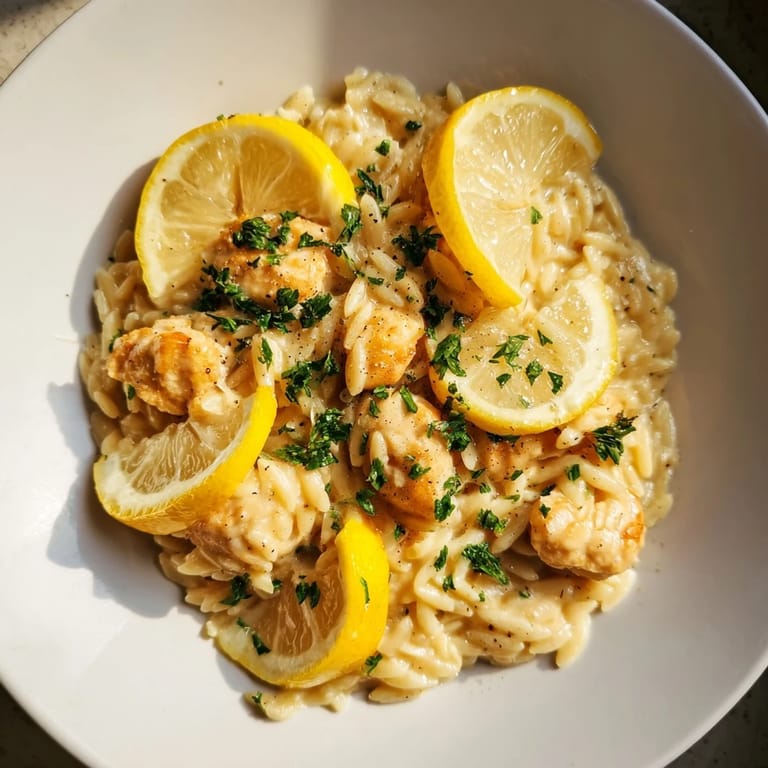
- When the orzo is just tender, stir in the Parmesan until it melts and thickens the sauce slightly, then add the parsley. Taste and adjust the salt and pepper—remember that Parmesan is already doing some of the work.
 Save to Pinterest
 The first time someone asked for the recipe was when I realized this wasn't just dinner—it was the kind of dish that made people feel cared for, like someone had taken the time even though it actually wasn't complicated. That's when I started making it more often.
Why Lemon Works Here
Lemon does something special when it's the main acid in a creamy sauce—it cuts through richness without feeling aggressive, and it carries the brightness of Mediterranean cooking without requiring a long ingredient list. The zest adds subtle bitterness that keeps the dish from tasting flat, while the juice at the end wakes everything up right before you eat it. I used to think creamy pasta dishes were heavy, but this one changed my mind completely.
One Pan, Real Dinner
There's a reason this works as a weeknight meal—everything happens in the same skillet, so you're not juggling pots or watching multiple timers. The chicken cooks first, then becomes part of the sauce instead of sitting on top like an afterthought, which means every bite has texture and consistency. Cleaning up is simple enough that you don't feel like you need a nap after dinner.
Scaling and Adapting
This recipe doubles easily if you're cooking for more people, and you can stretch it a little by adding handfuls of fresh spinach or frozen peas in the last couple of minutes without throwing off the balance. The beauty of orzo is that it's forgiving—it won't fall apart like some pasta shapes if you cook it a minute or two longer than planned. If you want a lighter version, half-and-half or whole milk works fine, though the texture won't be quite as luxurious.
- Fresh spinach wilts in seconds and adds color and iron without changing the flavor.
- A splash of white wine in place of some broth adds complexity if you have a bottle open.
- Swap thyme for fresh dill if you want something brighter and more summery.
 Save to Pinterest
 This dish works for Tuesday nights and for company, which is maybe the best compliment a recipe can get. It's the kind of thing you'll make again because it works, tastes good, and doesn't demand much from you in return.
Ask About This Recipe
- → What type of chicken works best for this dish?
Boneless, skinless chicken breasts cut into bite-sized pieces cook evenly and stay tender throughout the process.
- → Can I substitute orzo with another pasta?
Small pastas like acini di pepe or small shells work well as alternatives, maintaining a similar creamy texture.
- → How do I achieve the creamy sauce consistency?
Simmering orzo in broth with heavy cream until tender creates a naturally creamy sauce without additional thickeners.
- → Are there options to lighten the dish?
Substituting heavy cream with half-and-half or whole milk reduces richness while keeping moisture and flavor.
- → What herbs complement the lemon flavor here?
Fresh parsley and dried thyme add herbal brightness that balances the lemon's acidity perfectly.
- → Can vegetables be added to this preparation?
Adding baby spinach or peas toward the end of cooking introduces color, texture, and extra nutrients seamlessly.