 Save to Pinterest
 I'd been to enough theater galas to recognize that moment when a room holds its breath before the curtain rises. But it wasn't until I was tasked with creating an appetizer spread for a friend's opening night party that I realized the most dramatic presentation doesn't need a stage—just a wooden board and the courage to let things spill over the edge. Watching guests arrive and immediately reach for a cascading wedge of brie, a strand of prosciutto trailing like silk, made me understand that food could be performance art too. The Final Curtain was born from that night, a grazing board designed to make people pause and admire before they devour.
I'll never forget the silence that fell over the living room when I unveiled it. My friend's mother, who'd been to actual theaters in Paris, studied the board for a full minute before saying, "Now that's presentation." Then someone grabbed a piece of brie, it tumbled slightly, and suddenly everyone was laughing and reaching in at once. That chaotic, joyful moment—when the board became less about perfection and more about connection—is exactly why I keep making this.
Ingredients
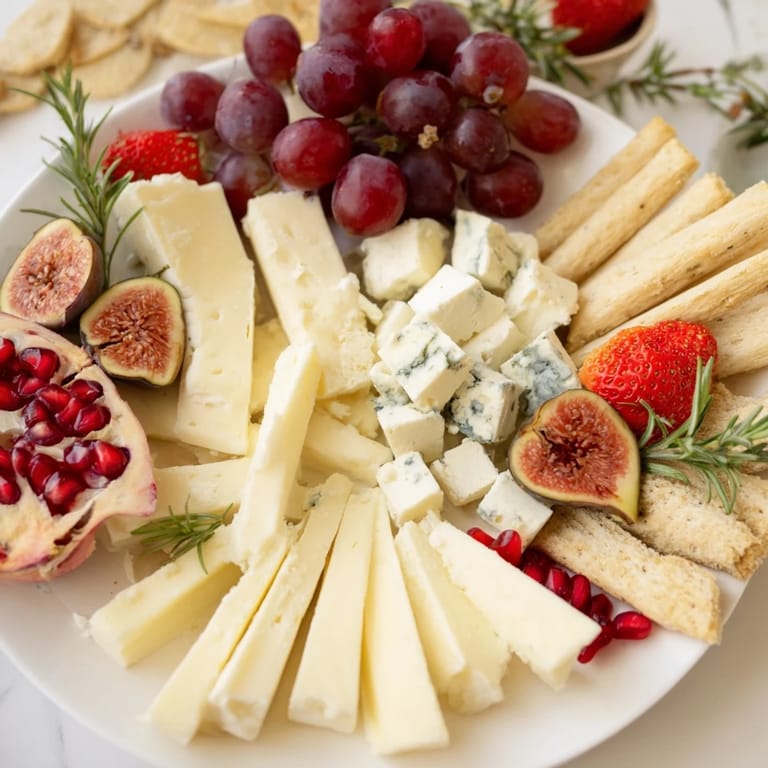
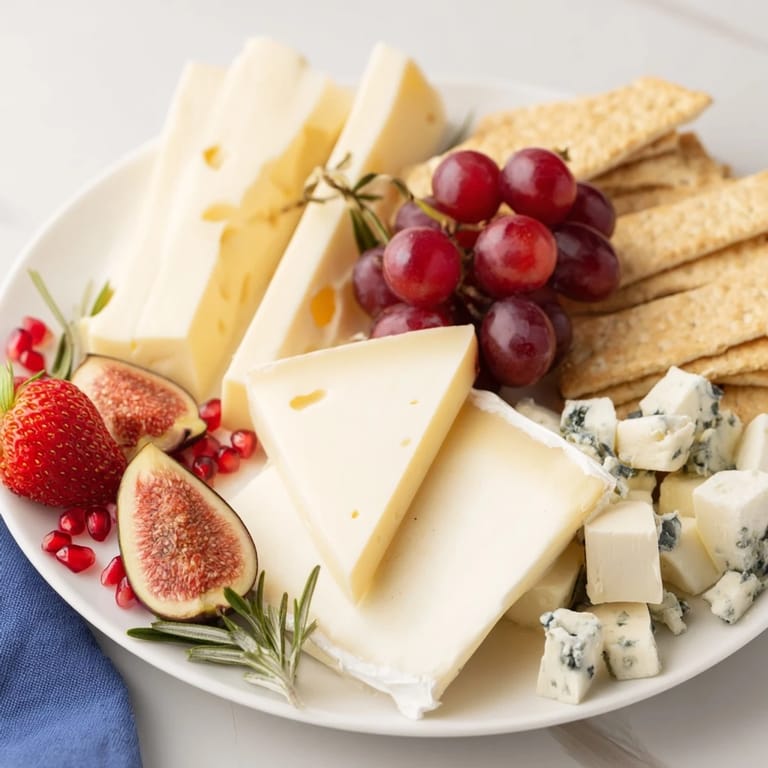
- Brie: Choose one that's still slightly firm; it should yield gently to the knife, not collapse. Slicing into wedges rather than cubes gives you those elegant slivers that cascade so beautifully.
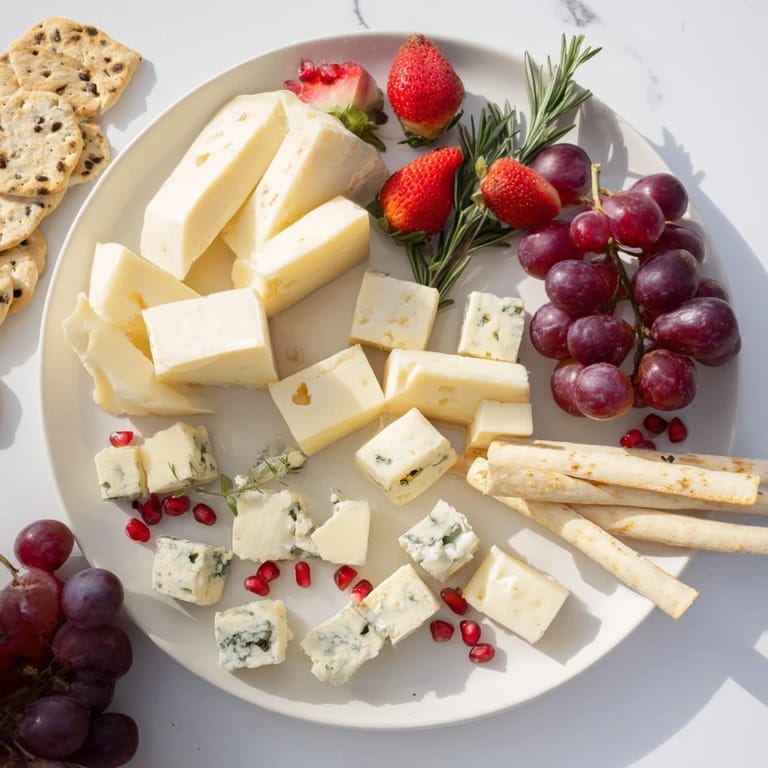
- Aged Cheddar: The sharpness cuts through the richness of everything else, and cutting it into sticks makes it easy for guests to grab without disrupting your careful arrangement.
- Blue Cheese: Break it into uneven chunks—the rustic texture looks more dramatic and lets people take exactly the amount they want.
- Prosciutto: Loosely draping rather than folding creates movement and visual lightness; it's the difference between a board that looks lived-in and one that looks static.
- Soppressata: Fold these slices deliberately so some catch the light differently, adding depth to the charcuterie section.
- Red Grapes: Leave them clustered on the stem whenever possible—they're structural elements as much as they are food, helping anchor other ingredients.
- Fresh Figs: Halve them just before serving so the ruby interior stays vivid and the cut surfaces don't oxidize into dull brown.
- Strawberries: Choose ones that are bright but not overripe; they need to hold their shape when guests pick them up.
- Pomegranate Seeds: These are your jewels—scatter them last and let some roll into crevices for a treasure-hunt feel.
- Baguette: Slice it on a slight angle for a more sophisticated look, and do this just before serving so it's still warm and soft.
- Seeded Crackers: Their texture and earthiness balance the sweetness of fruit and jam perfectly.
- Fig Jam: This is your secret bridge ingredient, working equally well with cheese, bread, or a solo cracker.
- Honey: Drizzle it directly onto the board in small pools, or offer it in a shallow bowl—it intensifies the sweetness of anything it touches.
- Marcona Almonds: Roasted and salted, they're less aggressive than regular almonds and add a sophisticated crunch.
- Olives: Mix green and black for color contrast; pitting them beforehand saves guests the awkward moment of discovering a pit mid-bite.
- Fresh Herbs: Tuck whole sprigs—rosemary, thyme, or even oregano—between ingredients for aroma and visual drama.
Tired of Takeout? 🥡
Get 10 meals you can make faster than delivery arrives. Seriously.
One email. No spam. Unsubscribe anytime.
Instructions
- Set Your Stage:
- Choose a large wooden board or marble platter—something substantial enough to feel weighty and important. Position it so one edge hangs slightly over the table, giving you a natural place for things to cascade over.
- Anchor the Cheeses:
- Arrange your three cheeses so they're visually separated but connected. Let some wedges and sticks lean against each other and definitely allow a few to spill over that edge—this is where the drama happens.
- Layer the Charcuterie:
- Fold prosciutto and soppressata loosely, creating peaks and valleys. The irregular folds look infinitely more elegant than neat, perfect stacks.
- Scatter the Fruit:
- Grapes, figs, strawberries, and pomegranate seeds fill the gaps and add color. Let some fruit trail over the side of the board, mimicking the cascade effect—you're not arranging, you're curating movement.
- Position Bread and Crackers:
- Fan baguette slices and crackers along the sides, allowing them to slightly overhang. This gives guests obvious entry points and adds height variation to the board.
- Nestle the Condiments:
- Place small bowls of fig jam, honey, olives, and almonds directly on the board, tucking them into natural pockets created by larger ingredients. They're both practical and part of the overall composition.
- Finish with Flourish:
- Tuck whole sprigs of rosemary and thyme throughout, tucking them between cheeses and fruits. These final touches add fragrance and make the board feel like it was arranged by someone who understands theater.
- Serve with Intention:
- Step back, let your guests admire it for a moment, then encourage them to graze freely. The real magic happens when people start reaching in and the carefully arranged board becomes beautifully chaotic.
 Save to Pinterest
 What surprised me most about this board wasn't how impressive it looked, but how it changed the energy of the gathering. There's something about grazing that invites people to linger, to talk longer, to come back for another small bite while chatting. It became less about serving food and more about creating a moment.
The Cascade Effect
The key to pulling off the theatrical cascade is resistance and release. You're not trying to balance everything perfectly—you're creating intentional visual flow. Think of it like waves: some things sit stable at the peak of the board, others are positioned to naturally tumble down the sides in an organized way. The wooden board's edge becomes your friend here; it's the boundary that makes the overflow read as deliberate rather than accidental. I learned this the hard way when my first attempt looked more like a avalanche than elegant drapery, but once I stopped fighting against the natural gravitational pull and instead choreographed it, everything clicked into place.
Building Flavor Conversations
This board works because of contrast—not just visual, but in every bite. Salty olives next to sweet figs, creamy brie against crispy crackers, tangy blue cheese balanced by honeyed sweetness. When you're placing items, think about what flavors sit adjacent to each other and whether they'll make someone's face light up or grimace. The jam and honey are your connective tissue, the ingredients that play well with nearly everything and help frame other flavors when someone's not sure what combination to try next.
Timing and Temperature Mastery
A grazing board is one of the few dishes where timing is more about freshness than cooking. The baguette should still be warm—slice it just before guests arrive and the interior stays that perfect balance of soft and structured. Figs oxidize visibly, so halving them is the last thing you do. If you're preparing this more than 30 minutes early, store the board loosely covered in a cool kitchen, not the fridge, so the cheeses maintain their flavor and the bread doesn't harden. I've learned that the best boards feel spontaneous even though they're carefully planned.
- Prep all ingredients before you touch the board—it's hard to work around a full arrangement once you've started.
- Use your hands to position things whenever possible; tools can damage delicate items like figs and tear herbs.
- Remember that guests will immediately disrupt your arrangement, so embrace imperfection from the start.
 Save to Pinterest
 The Final Curtain taught me that the most memorable meals aren't always about complexity—they're about moments of visual beauty paired with the freedom to graze at your own pace. This board is your permission slip to create something that feels theatrical and personal at once.
Ask About This Recipe
- → What cheeses work best for this board?
Brie, aged cheddar, and blue cheese create a balanced mix of creamy, sharp, and tangy flavors ideal for the board.
- → Can the charcuterie be omitted?
Yes, the board works beautifully as a vegetarian option by leaving out the cured meats.
- → Which fruits complement the flavors here?
Fresh figs, grapes, strawberries, and pomegranate seeds add sweetness and texture that complement the cheeses and meats.
- → How should the board be arranged?
Arrange cheeses and meats so they cascade over the board edge, with fruits and accompaniments nestled for a flowing, dramatic effect.
- → What drinks pair well with this spread?
Crisp rosé or sparkling wine pairs nicely, enhancing the fresh and savory elements.
- → Are there any allergen considerations?
The board contains dairy, tree nuts, and gluten; check ingredients carefully if serving guests with allergies.