 Save to Pinterest
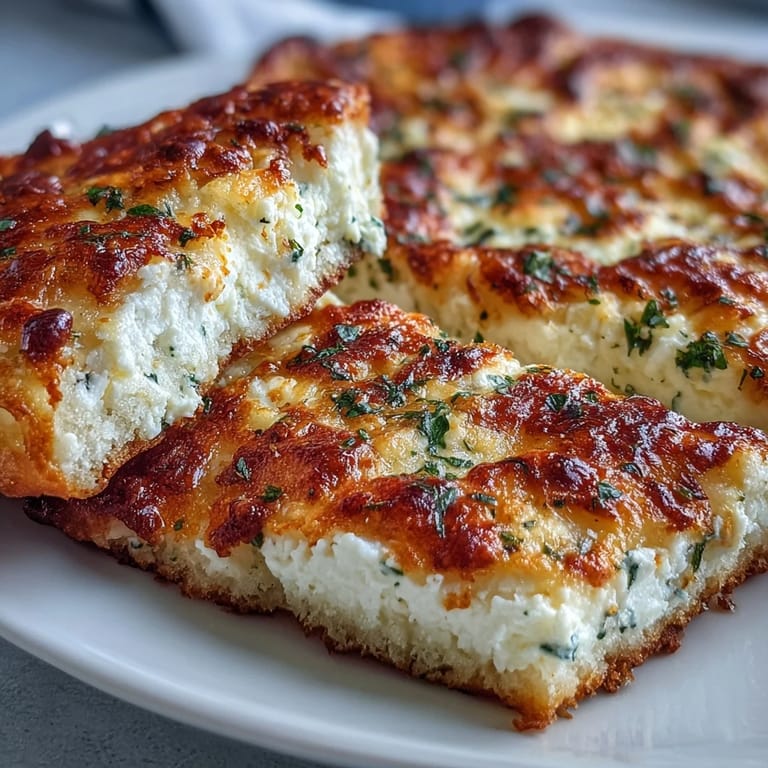
 The cottage cheese curds melted into pockets of softness as I worked the dough, still skeptical that something so simple could transform into proper bread. My kitchen smelled of garlic and warmth, and I found myself tearing off pieces before they'd even cooled completely. That first bite—pillowy, slightly tangy, with just a hint of herbs—made me forget every failed flatbread attempt that came before.
Last Tuesday, I made a double batch while catching up with an old friend over FaceTime. She watched, amused, as I flour-dusted my laptop keyboard and explained why the resting step matters. We both ended up eating warm flatbread with butter at our respective houses, hundreds of miles apart, somehow sharing the same meal.
Ingredients
- 1 cup all-purpose flour: The backbone of your flatbread—extra for dusting because this dough starts sticky and learns to behave itself
- ½ teaspoon baking powder: Gives you those lovely bubbles that make homemade flatbread feel like real bread, not a cracker
- ¼ teaspoon fine salt: Essential for flavor, but don't overdo it or you'll miss the subtle tang of the cottage cheese
- ¼ teaspoon garlic powder: Optional? Maybe. Necessary? If you want your kitchen to smell like heaven
- ½ cup full-fat cottage cheese: Well-drained, or your dough will teach you a watery lesson
- 1 large egg: Room temperature plays nicer with the other ingredients
- 1 tablespoon olive oil: Plus more for cooking, because fat equals flavor and that golden crust we're after
- 1 teaspoon fresh chopped herbs: Parsley or chives add little green specks that make people think you tried harder than you did
- 1–2 tablespoons water: Keep this nearby as insurance for when your dough refuses to cooperate
Tired of Takeout? 🥡
Get 10 meals you can make faster than delivery arrives. Seriously.
One email. No spam. Unsubscribe anytime.
Instructions
- Whisk your dry ingredients together:
- Combine the flour, baking powder, salt, and garlic powder until they're one happy family. No need to sift, just give it a good whisk and break up any clumps.
- Blend the wet mixture:
- Use a fork to mash the cottage cheese into the egg, olive oil, and herbs until most of the curds surrender. Perfection isn't the goal—just break them down enough that they won't create holes in your dough.
- Bring dough together:
- Pour wet into dry and fold gently with a spatula until a shaggy, somewhat reluctant dough forms. Add water teaspoon by teaspoon only if it's crumbly and refusing to become friends with itself.
- Lightly knead:
- Turn onto a floured surface and fold about 6–8 times—just enough to create a cohesive ball. This is not the time for ambition. Overworking makes tough flatbreads.
- Let it rest:
- Cover with a towel or plastic wrap for 10 minutes. The flour needs this moment to hydrate and relax, and honestly, so do you.
- Shape your rounds:
- Divide into 4 portions and roll each ball into about ¼-inch thickness. Dust with flour as needed to prevent sticking, but don't be shy about the rolling pin.
- Heat your skillet:
- Warm a nonstick or cast-iron pan over medium heat with a light brush of olive oil. You want it hot enough that the flatbread sizzles immediately but doesn't burn.
- Cook to golden perfection:
- Lay one flatbread in the pan and wait for bubbles to form and the bottom to turn golden brown, about 2–3 minutes. Flip and cook another 1–2 minutes until both sides have those beautiful brown spots.
- Keep them warm:
- Transfer to a plate and cover with a clean towel while you repeat with the remaining dough. This step is what keeps them soft instead of turning into crackers.
 Save to Pinterest
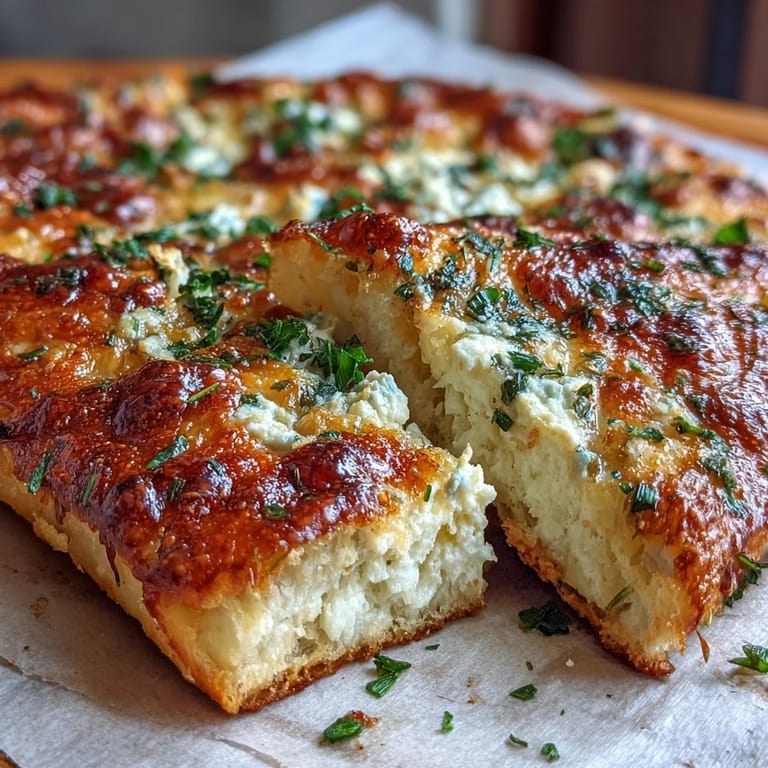
 These have become my go-to when I want bread but don't want to wait hours for dough to rise or commit to a full yeast situation. Something about tearing into warm, freshly made flatbread makes even a Tuesday night dinner feel special.
Making It Your Own
Once you've mastered the basic version, start experimenting. Finely chopped sun-dried tomatoes work beautifully in the dough, as does fresh spinach if you pat it dry first. The cottage cheese base is surprisingly forgiving and embraces add-ins without falling apart.
The Pizza Trick
Leftovers make excellent personal pizza bases. Top with sauce and cheese, then bake at 425°F for 8–10 minutes. The flatbread crisps up just enough to hold everything together while staying tender underneath.
Storage & Reheating
Store in an airtight container for up to 3 days, or freeze for a month if you're feeling meal-prep ambitious. Reheat in a skillet with a quick flip on each side, or microwave wrapped in a damp paper towel to bring back that just-made softness.
- Freeze them between parchment paper for easy grabbing later
- The microwave method works in 20–30 seconds if you're in a rush
- Skillet reheating gives you the best texture, hands down
 Save to Pinterest
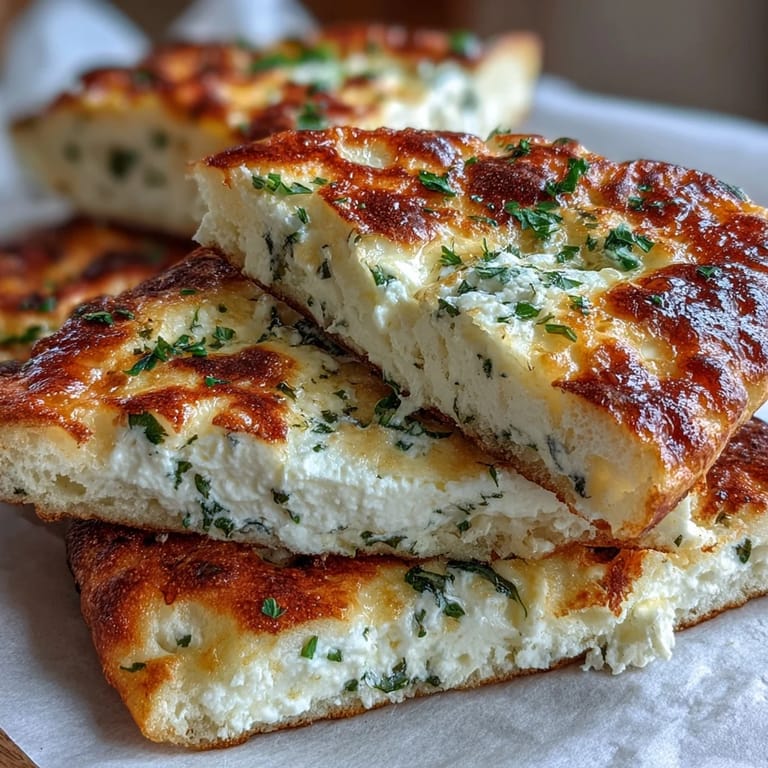
 Warm flatbread, good company, and something simple to dip—that's really all you need. These might just become your weeknight secret weapon too.
Ask About This Recipe
- → Can I make these flatbreads gluten-free?
Yes, you can easily adapt this flatbread for a gluten-free diet. Simply substitute the all-purpose flour with a 1:1 gluten-free flour blend. For better texture, consider adding 1 tablespoon of ground flaxseed to the dry ingredients.
- → How can I store leftover flatbreads?
Leftover flatbreads can be stored in an airtight container in the refrigerator for up to 3 days. For longer storage, they can be frozen for up to 1 month. When ready to eat, reheat them in a skillet or microwave with a damp paper towel to restore their softness.
- → What variations can I add to the dough?
To enhance flavor and color, consider incorporating finely chopped spinach or sun-dried tomatoes directly into the dough mixture. You can also experiment with different fresh herbs beyond parsley or chives, like dill or oregano, for a unique twist.
- → Can these flatbreads be used as a pizza base?
Absolutely! These fluffy flatbreads make an excellent speedy pizza base. Simply top the cooked flatbreads with your favorite sauce, cheese, and toppings, then bake at 425°F for 8–10 minutes until the cheese is melted and bubbly.
- → Why is my dough too dry or too sticky?
Dough consistency can vary. If your dough feels too dry or crumbly after mixing, add water one teaspoon at a time until it comes together into a soft, slightly sticky ball. If it's too sticky, add a tiny bit more flour, but avoid overworking it.
- → Is it possible to prepare the dough in advance?
While it's best to cook the flatbreads after a short rest, you could prepare the dough a few hours in advance and keep it covered in the refrigerator. Allow it to come closer to room temperature before rolling and cooking for the best results.