 Save to Pinterest
 There's something magical about the moment when cold cheese hits hot oil and transforms into something entirely different—crispy on the outside, melting on the inside. The first time I made saganaki, I was standing in my tiny Athens apartment kitchen, visiting my friend Maria, and she handed me a block of kasseri cheese like it was the secret to happiness. She was right. That sizzle, that golden crust, the way it begged for a squeeze of lemon—I was hooked instantly.
I brought saganaki to a dinner party once without telling anyone what it was, just set the plate down warm and watched people's faces light up. One guest kept asking what restaurant I'd ordered from, and honestly, I loved that moment of revealing it was just four ingredients and five minutes of my time. It became my secret weapon for looking effortlessly sophisticated.
Ingredients
- Firm Greek cheese (kasseri, kefalotyri, or halloumi), 200 g sliced 1 cm thick: This is where everything lives or dies—you need cheese that can handle heat without melting into a puddle before it gets crispy, so don't skip the firm varieties or try soft feta.
- All-purpose flour, 2 tbsp: A light coating that turns golden and crisp; use gluten-free flour if you need to and nobody will know the difference.
- Olive oil, 2 tbsp: The heat carrier that creates that gorgeous crust, so use good oil but don't waste your expensive stuff on frying.
- Lemon wedges, from 1 lemon: The brightness that makes the whole thing sing—never skip this squeeze.
- Dried oregano, 1/2 tsp: A whisper of Mediterranean flavor that feels ceremonial when you sprinkle it over warm cheese.
- Freshly ground black pepper, to taste: Because it's there to bring a tiny kick and make you taste the cheese more deeply.
Tired of Takeout? 🥡
Get 10 meals you can make faster than delivery arrives. Seriously.
One email. No spam. Unsubscribe anytime.
Instructions
- Dry your cheese completely:
- Pat each slice with paper towels like you're tucking a baby in—any moisture will prevent that beautiful golden crust from forming and create sputtering instead of sizzling.
- Coat lightly with flour:
- Dredge each slice quickly and shake off the excess so you get a delicate veil, not a thick cake that becomes gummy.
- Heat your oil properly:
- Get it shimmering over medium-high heat—if it's not hot enough, your cheese will weep out before it crisps; too hot and it'll burn before the inside melts.
- Fry with confidence:
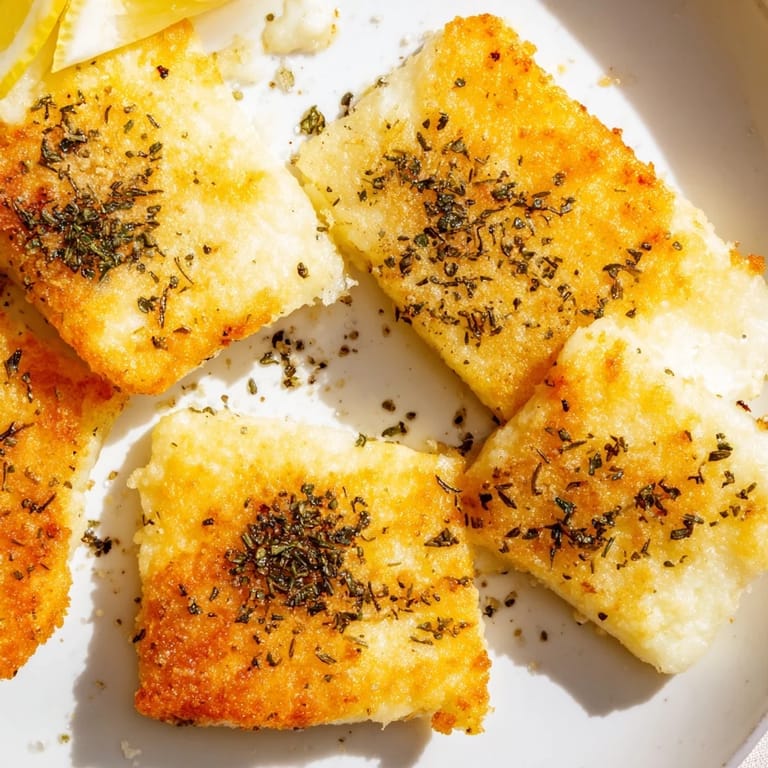
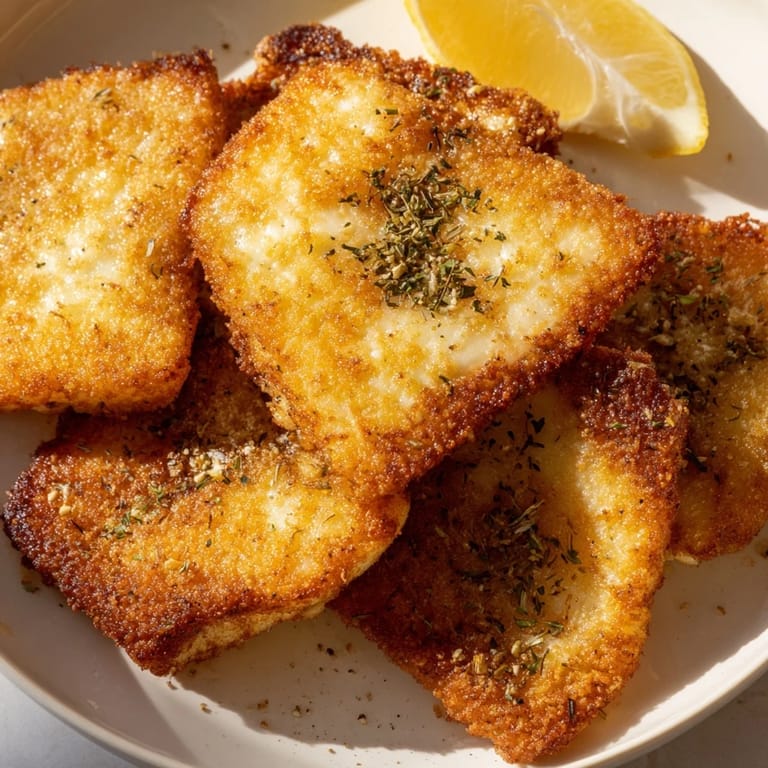
- One and a half to two minutes per side is all you need—listen for that gentle sizzle and watch for golden edges creeping up the sides.
- Drain briefly:
- A few seconds on paper towels removes excess oil without letting it cool and toughen.
- Season and serve hot:
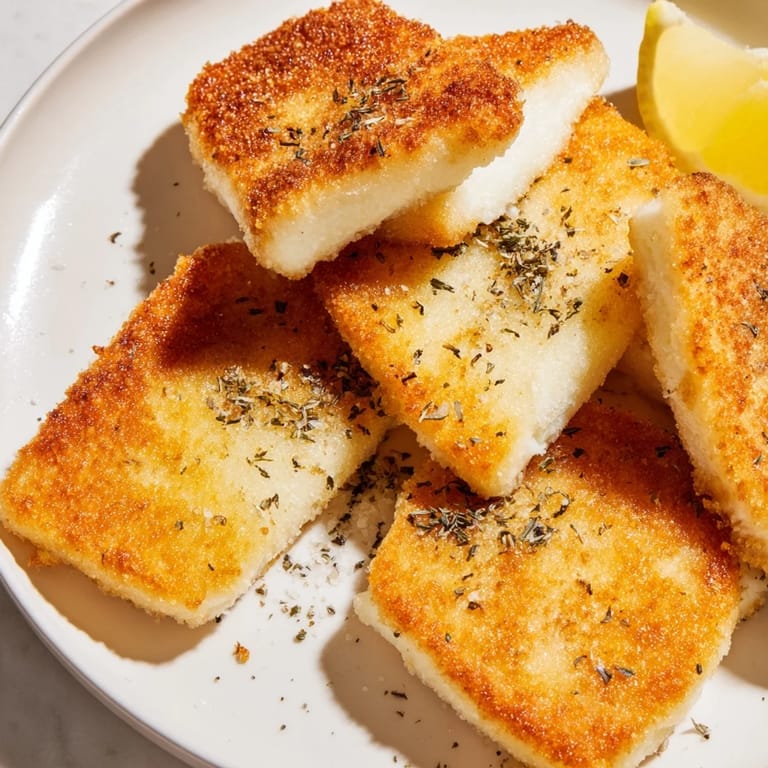
- Sprinkle oregano and pepper on the plate right before eating, while everything is still warm enough to make the lemon juice sizzle slightly on contact.
 Save to Pinterest
 My neighbor brought me a plate of saganaki one evening and knocked on the door just to watch my face when I bit into it. We didn't speak the same language very well, but we both understood that moment of melted cheese and lemon, and we've been kitchen friends ever since.
Cheese Selection Matters More Than You Think
Kasseri and kefalotyri are the traditional choices because they're made to hold their shape under heat, with a higher melting point than soft cheeses. Halloumi works beautifully too if that's what you can find, and graviera brings a subtly different flavor that's equally lovely. The point is that you need cheese with backbone, not something that'll turn into a puddle the moment heat touches it.
The Lemon Is Not Optional
I tried making saganaki without lemon once, thinking I'd serve it with lemon on the side for people to add themselves, and it was pleasant but flat. The hot cheese needs that bright acid hitting it at the same moment—it's not just garnish, it's part of the alchemy. Fresh lemon juice is what makes this dish feel alive instead of heavy.
Making It Your Own
Once you master the basic technique, you can play around—some people add a tiny drizzle of honey, others dust it with thyme or serve it with a spoonful of spicy honey for contrast. The foundation is so solid that it welcomes small variations. I've made it the same way a hundred times and I've also made it with wild variations, and both paths lead somewhere good.
- Pair it with crisp white wine like Assyrtiko for an evening that feels special.
- Serve alongside crusty bread or olives as part of a mezze platter for a complete meal.
- Make it gluten-free by swapping regular flour for a gluten-free blend with zero changes to anything else.
 Save to Pinterest
 Saganaki is proof that simplicity isn't boring when you respect each ingredient and nail the technique. It's my go-to when I want to feel like I'm cooking something special without pretending to be a professional chef.
Ask About This Recipe
- → What types of cheese work best for Greek saganaki?
Firm Greek cheeses like kasseri, kefalotyri, halloumi, or graviera are ideal due to their texture and melting properties.
- → How do you achieve a crispy crust on the cheese?
Lightly dredge cheese slices in flour before frying in hot olive oil to create a golden, crispy exterior.
- → Can I make a gluten-free version?
Yes, substitute all-purpose flour with gluten-free flour to accommodate dietary needs.
- → What is the best way to serve saganaki?
Serve immediately while hot, sprinkled with dried oregano and freshly ground pepper, alongside lemon wedges for squeezing.
- → What pairs well with saganaki cheese?
It pairs beautifully with crusty bread and a crisp white wine such as Assyrtiko for a complete tasting experience.