 Save to Pinterest
 I discovered this version of mac and cheese by accident one Tuesday night when I was determined to make something that felt indulgent but wouldn't leave me sluggish afterward. I'd just blended cottage cheese into a soup and thought—why not a sauce? Twenty minutes later, I was stirring a silky, golden mixture that tasted nothing like the diet food I'd worried it might be. My roommate came home, smelled it, and asked if I'd made it from scratch, genuinely surprised when I showed her the ingredient list.
I made this for a friend who'd been frustrated with "healthy" recipes that taste like punishment, and watching her face light up on the first bite felt like a small victory. She asked for the recipe before she'd even finished her bowl, and now it's something she texts me about when she's having a rough week. Food has this quiet power to remind people they're worth taking care of.
Ingredients
- High-protein pasta (300g): Chickpea or lentil pasta makes this dish genuinely filling—the fiber keeps you grounded, and the flavor is subtly nutty without being weird.
- Low-fat cottage cheese (300g): This is the secret, and I know it sounds odd until you taste how creamy it becomes when blended—it's smoother than cream and kinder to your digestion.
- Low-fat milk (120ml): Just enough to loosen the sauce so it flows beautifully; use whatever milk you have, plant-based works just as well.
- Sharp cheddar cheese (100g), shredded: The sharpness cuts through the richness and keeps the sauce from tasting one-note or dull.
- Parmesan cheese (40g), freshly grated: Freshly grated is non-negotiable here—the pre-shredded stuff has additives that make the sauce grainy instead of silky.
- Nutritional yeast (1 tbsp, optional): It adds a savory depth that makes people ask what you did differently, even though it's subtle.
- Cornstarch or arrowroot powder (1 tbsp): This keeps the sauce from breaking when you heat it, a lesson I learned the hard way with curdled attempts.
- Dijon mustard (1 tsp): A tiny amount awakens all the other flavors without making the sauce taste mustard-y.
- Garlic powder, onion powder, black pepper, salt: These ground spices bloom in the heat and make the sauce taste like someone actually cared about seasoning.
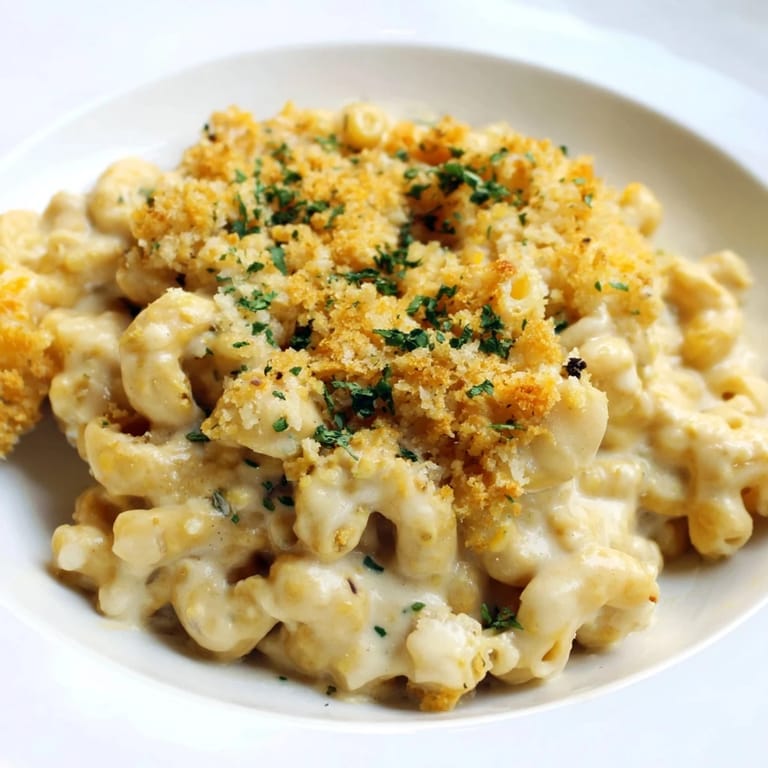
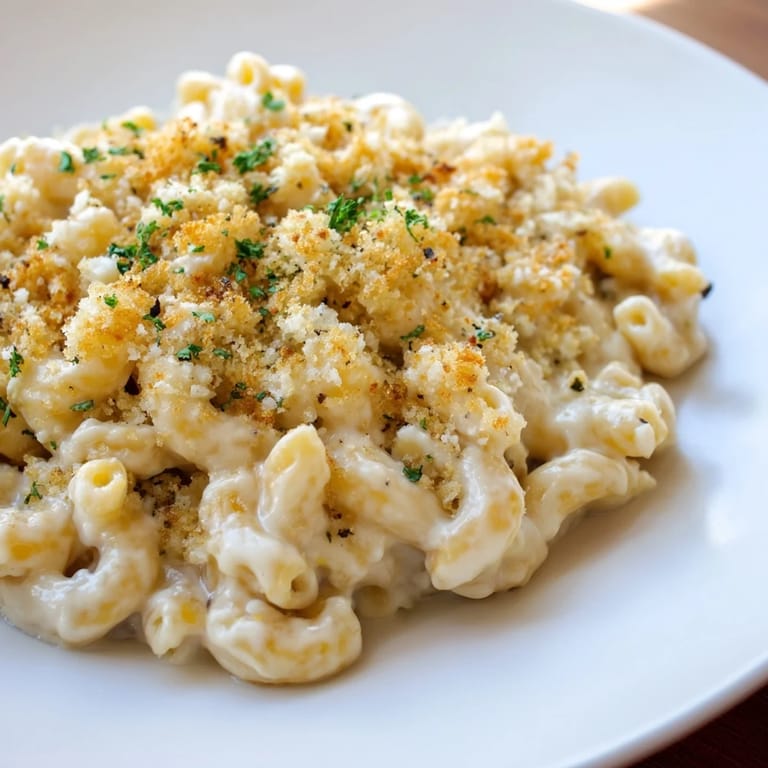
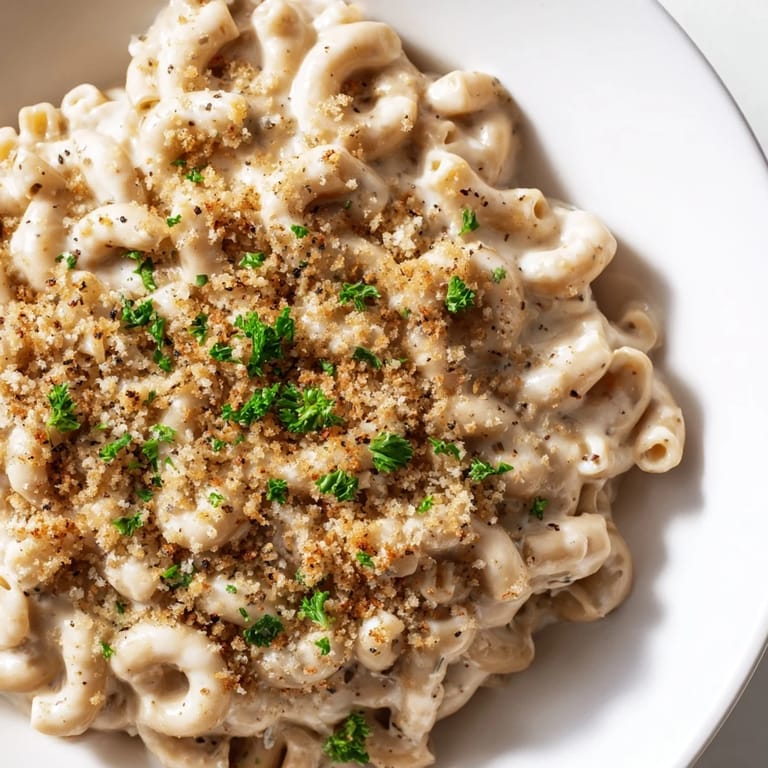
- Whole wheat breadcrumbs (20g, optional topping): A few minutes under the broiler turns them golden and adds the textural contrast that makes you come back for another bite.
- Fresh parsley (1 tbsp, chopped): A small green finish that looks intentional and adds a bright, fresh note to cut the richness.
Tired of Takeout? 🥡
Get 10 meals you can make faster than delivery arrives. Seriously.
One email. No spam. Unsubscribe anytime.
Instructions
- Get the pasta going:
- Fill a pot with salted water—it should taste like the sea—and let it come to a rolling boil. Add your pasta and cook it exactly to al dente, which means it should have a tiny bit of resistance when you bite it, not soft all the way through. Save half a cup of that starchy water before you drain; it's liquid gold for adjusting your sauce later.
- Make the magic happen:
- While the pasta's cooking, throw your cottage cheese, milk, both cheeses, nutritional yeast if you're using it, cornstarch, mustard, and all those ground spices into a blender. Start it on low so nothing splashes everywhere, then move to high speed and blend for a full minute or two until there's absolutely no graininess—you want it baby-smooth.
- Heat it gently:
- Pour your blended sauce into a saucepan and keep the heat on medium-low, which is the most important line in this entire recipe. Whisk it constantly like you're protecting it from burning, and within a few minutes you'll feel it thicken slightly and see tiny bubbles starting at the edges. This is the moment to stop; overdoing it will break your sauce and ruin the silkiness.
- Bring it together:
- Drain your pasta and tumble it into the sauce, then toss everything for a minute or two until every piece is coated and warmed through. If it's thicker than you like, splash in some of that reserved pasta water a little at a time until it flows like the mac and cheese of your dreams.
- Go golden (optional but recommended):
- If you want to be fancy, transfer everything to a baking dish, scatter breadcrumbs across the top, and slide it under the broiler for 2 to 3 minutes. Stand there and watch it because broilers move fast, and you're looking for a light golden crust, not charcoal.
- Finish and serve:
- Dust with fresh parsley and serve it hot, knowing you made something that's genuinely good for you and genuinely delicious.
 Save to Pinterest
 There's something about serving food you've built from honest ingredients that shifts the whole atmosphere at a table. When someone realizes they're eating something that's good for them without it feeling like a sacrifice, something quiet happens—they relax, they enjoy it more, they come back for seconds without guilt.
How to Customize This Without Losing the Point
The beauty of this sauce is how much you can bend it without breaking it. If you want extra protein (which, if you're making this, you probably do), stir in chunks of shredded rotisserie chicken or steamed broccoli florets right when you toss the pasta—they'll warm through in the residual heat and add substance without changing the core of what makes this special. I've done both, sometimes together, and it's never once felt like I was making it less elegant, just more mine.
Playing with Flavor
Once you understand how this sauce works, you have permission to experiment. Swap the sharp cheddar for something with more funk, like Gruyère, and the whole thing shifts toward something more French bistro. A pinch of cayenne pepper adds a whisper of heat that people feel without being able to quite name it. Nutritional yeast, if you use it, creates this subtle umami undertone that makes your brain think something deeper is happening than really is.
Timing and Why It Matters
This entire dish lives in the 30-minute window from cold stove to hot plate, which makes it genuinely weeknight food—no advance planning, no passive waiting for something to braise. The speed means you can make this on the Tuesday you're tired, not just on the Sunday you planned ahead, and that's worth something. Thirty minutes from decision to dinner is the difference between actually taking care of yourself and meaning to.
- If you're doubling this for a crowd, double everything except the cornstarch and milk—increase those by about half, then adjust as you go, because ratios matter more than exact quantities here.
- The pasta water is your safety net—keep it nearby and add it slowly if your sauce seizes up, because you can always thin it but you can't easily thicken it back down once you've messed with it.
- Serve it hot and serve it soon; this sauce is best within minutes of coming together, before it starts to set and lose that silky thing that makes people notice.
 Save to Pinterest
 This is the mac and cheese that quietly became the thing I make when I want to feel taken care of, and the thing I make for other people when I want them to know they're worth more than whatever corner-cutting recipe they've been limping along with. That's all food is, really—a way of saying you matter.
Ask About This Recipe
- → What type of pasta works best in this dish?
High-protein pastas such as chickpea, lentil, or whole wheat varieties pair well, offering added nutrition and a firm texture that holds the sauce well.
- → Can I make the sauce dairy-free?
Using unsweetened plant-based milk instead of dairy milk is a great option, while ensuring the blended cottage cheese is replaced with a suitable non-dairy alternative for similar creaminess.
- → How do I prevent the sauce from becoming too thick?
Add reserved pasta cooking water gradually while heating the sauce to adjust consistency and maintain a smooth, creamy texture.
- → Is it possible to add extra protein to this dish?
Yes, stirring in cooked chicken breast or steamed broccoli boosts protein content and enhances texture and flavor variety.
- → What can be used as a crunchy topping?
Whole wheat breadcrumbs sprinkled on top and broiled until golden create a satisfying crispy crust that complements the creamy sauce.