 Save to Pinterest
 A friend handed me a small cup of hojicha at a Tokyo café on a grey afternoon, and I was struck by how the roasted tea somehow felt both grounding and luxurious at once. The nutty warmth lingering on my tongue made me think about how certain flavors can shift your entire mood without fanfare. Months later, standing in my own kitchen with a steam wand in hand, I realized I could recreate that exact moment, but make it even better by folding in creamy microfoam milk. Now this hojicha flat white is my quiet ritual on mornings when I need something more thoughtful than coffee.
I made this for my partner one rushed morning when he complained about his usual coffee tasting stale, and watching his face soften as he took that first sip felt like a small win. He asked what it was, and when I told him hojicha, he said it tasted like autumn in a cup, which honestly made my day. That's when I knew this recipe deserved to become a regular thing in our kitchen, not just a novelty.
Ingredients
- Hojicha loose leaf tea: Two teaspoons of loose leaves will give you a bolder, more authentic flavor than tea bags, but bags work fine if that's what you have on hand. The roasting process creates those warm, toasted notes that make this drink feel special.
- Hot water at 90°C (195°F): Water that's too hot can make hojicha taste bitter, so using a kettle with a temperature setting or letting boiled water cool for two minutes makes a real difference.
- Whole milk or oat milk: Whole milk froths beautifully and creates that velvety microfoam you want, but oat milk steams up nicely too if you prefer dairy-free, and it has a subtle sweetness that complements hojicha.
- Sugar, honey, or syrup (optional): I've found I barely need sweetener with quality hojicha, but a touch of honey adds another layer of warmth if you want it.
Tired of Takeout? 🥡
Get 10 meals you can make faster than delivery arrives. Seriously.
One email. No spam. Unsubscribe anytime.
Instructions
- Steep the hojicha:
- Measure out your tea and pour the hot water over it, letting it sit for three to four minutes while the room fills with that toasted, almost nutty aroma. You'll know it's ready when the water has turned a rich golden-brown and smells like a cozy evening.
- Heat and froth the milk:
- Pour milk into a small saucepan and warm it until you see wisps of steam rising, then use a frother, steam wand, or even a jar with a tight lid to create that silky microfoam. The goal is tiny, fine bubbles, not a thick layer of airy foam.
- Combine the base:
- Pour your strained hojicha into a pre-warmed cup (I run hot water around it first), then add your sweetener if you're using it and stir until dissolved. This little step keeps your finished drink warm longer.
- Pour with intention:
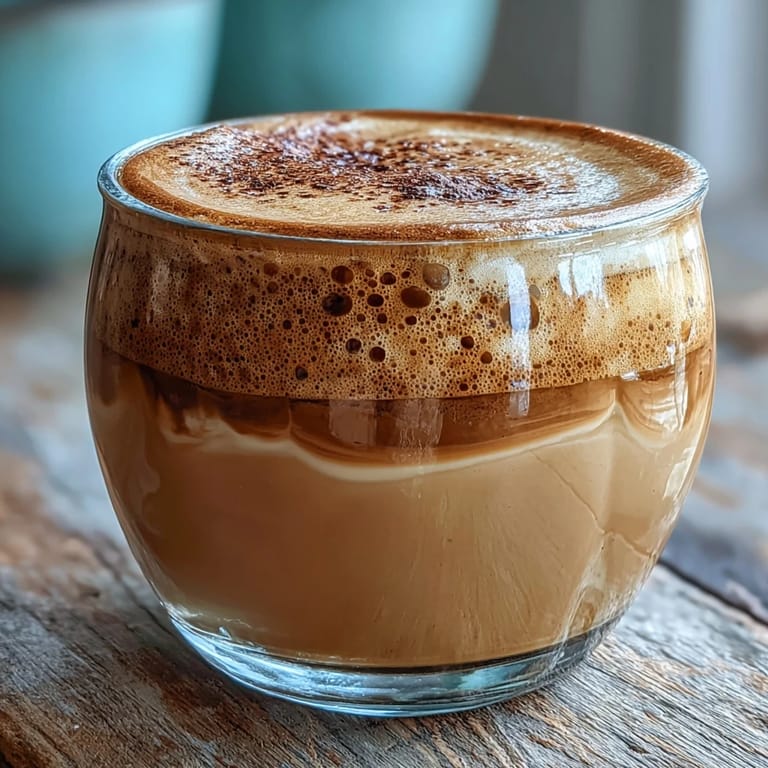
- Tilt your cup slightly and pour the microfoamed milk slowly over the hojicha, letting them blend together into something cohesive and creamy. The contrast between the deep tea and the white foam is half the pleasure.
- Serve right away:
- This drink is best enjoyed immediately while the microfoam is still perfect and everything is at the ideal temperature.
 Save to Pinterest
 There's something about watching milk and tea transform into this unified, beautiful drink that feels almost meditative. Every time I make it, I remember why I fell in love with this recipe in the first place.
Finding Your Perfect Hojicha Strength
Hojicha intensity varies wildly depending on the brand and how long you let it steep, so the first time you make this, you might want to start with three minutes and taste as you go. I learned this the hard way by over-steeping and ending up with something that tasted almost burnt, when what I really wanted was that gentle, roasted warmth. Now I keep my favorite brand steeped at exactly three and a half minutes, but your preference might be different, and that's the beauty of making it yourself.
The Microfoam Technique That Actually Works
If you don't have a steam wand or electric frother, don't worry—I've made this countless times with just a mason jar, hot milk, and a tight-fitting lid. The trick is to heat the milk first so it's steaming but not bubbling, then close the jar and shake it hard for about thirty seconds until you hear the sound change and the milk roughly doubles in volume. Pour slowly from the jar into your hojicha, tilting it so the foam comes last, and you'll get that same creamy, luxurious mouthfeel.
Making It Your Own
This recipe is honestly a canvas for whatever you want to add to it, and some of my best kitchen discoveries happen when I treat it as such. A whisper of vanilla extract, a pinch of cinnamon, even a tiny bit of cardamom can take this drink in different directions depending on your mood. Here are the small touches that have transformed this recipe for me:
- Dust the top with a pinch of hojicha powder or cinnamon for a rustic, elegant finish that also hints at the flavor to come.
- Try a splash of vanilla extract or a light sprinkle of sea salt on top for depth and complexity that surprises your palate.
- For chilly mornings, add a touch of honey or agave syrup while the hojicha is still hot, letting it dissolve into the tea before you add the milk.
 Save to Pinterest
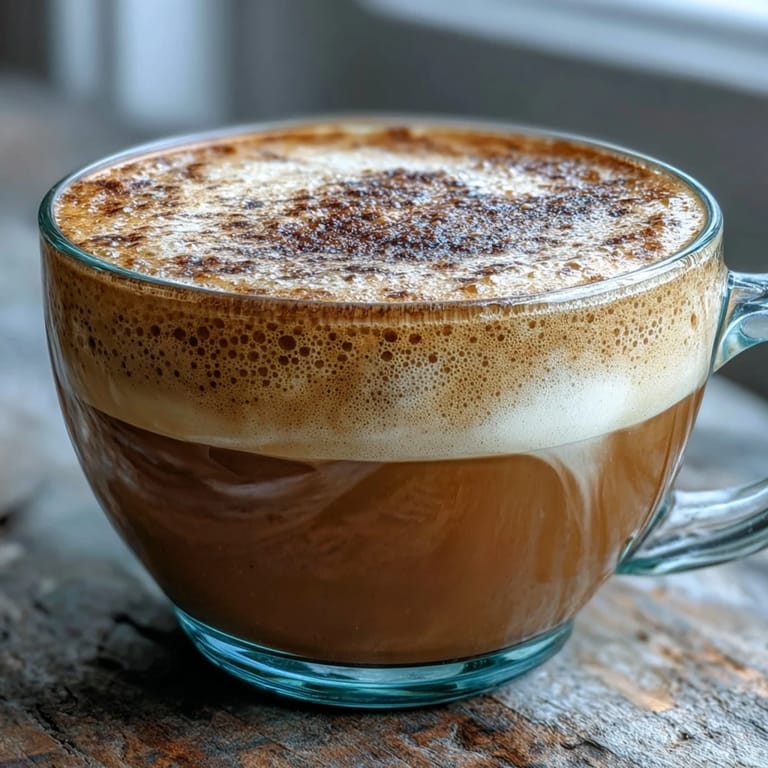
 This hojicha flat white has become my answer to those moments when I want something warm, grounding, and genuinely delicious without overthinking it. Make it once, and I think you'll understand why it deserves a permanent spot in your morning routine.
Ask About This Recipe
- → What does hojicha taste like?
Hojicha features a distinctive toasty, nutty flavor with caramel-like undertones. The roasting process removes bitterness, resulting in a smooth, mellow taste that pairs beautifully with creamy milk.
- → Is hojicha flat white caffeinated?
Yes, but significantly less than coffee. The roasting process reduces caffeine content, making hojicha a gentler choice for those sensitive to stimulants while still providing a mild energy boost.
- → What milk works best for microfoam?
Whole milk creates the richest, most stable microfoam due to its fat content. However, oat milk performs exceptionally well for dairy-free versions, producing silky foam similar to dairy milk.
- → Can I make this without a frother?
Absolutely. Heat milk in a small saucepan until steaming, then vigorously shake in a sealed jar for 30-60 seconds to create froth. Alternatively, use a whisk and rapid motion to incorporate air.
- → How do I adjust the strength?
Steep hojicha longer (up to 5 minutes) or increase tea quantity for a bolder flavor. For a lighter version, reduce steeping time to 2 minutes or use slightly more milk.
- → What's the ideal serving temperature?
Serve between 60-65°C (140-150°F) for optimal enjoyment. This temperature preserves the nuanced roasted flavors while remaining comfortably drinkable without burning the palate.