 Save to Pinterest
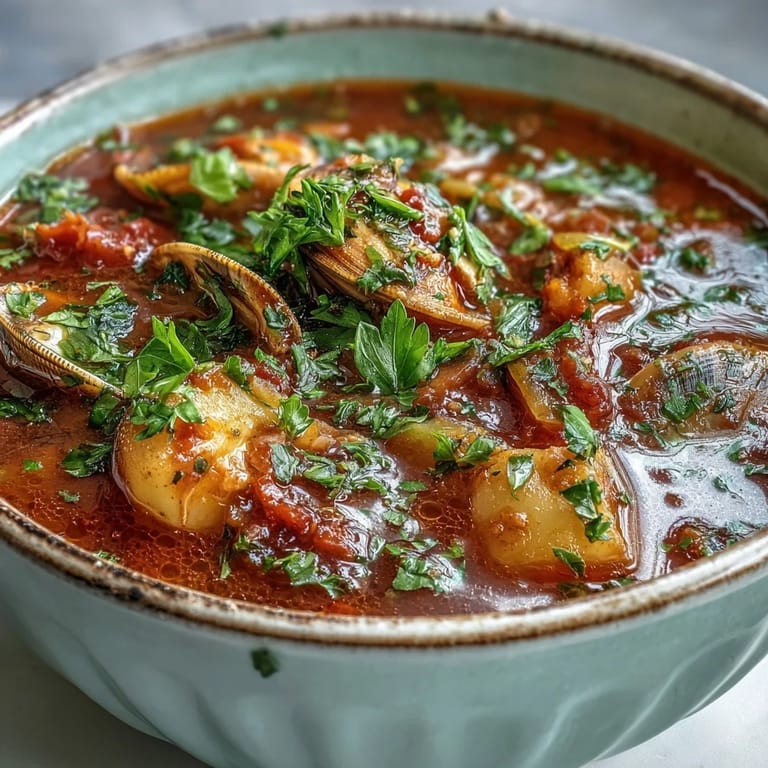
 There's something about the smell of clams steaming open that pulls me right back to a crowded seafood shack in New London, Connecticut, where I watched a cook move through dozens of pots with the kind of practiced ease I envied. What struck me wasn't just the briny aroma—it was how she'd taste the chowder mid-afternoon and adjust it like she was having a conversation with it. That's when I realized Manhattan clam chowder isn't about following steps; it's about building layers of flavor that sing together. This tomato-based version is lighter than its creamy cousins, brighter in every way, and honestly? It's become my go-to soup when I want something that feels both comforting and alive.
I made this for my sister one February evening when she showed up unannounced, half-frozen and complaining about her commute. By the time I'd chopped the vegetables, the kitchen smelled incredible enough that she stopped mid-sentence and just sat at the counter watching. When she tasted it—that first spoonful with the spoon barely emptied—her whole face changed. She asked for the recipe that night, and now it's the one thing she text-orders me to make whenever she visits.
Ingredients
- Fresh clams (2 pounds) or canned chopped clams (3 cups): If you can find them, littleneck clams are your friend—they're meatier and handle the cooking without turning rubbery, and steaming them yourself lets you capture every drop of that liquid gold.
- Clam juice (3 cups): The base of everything, so buy the best bottled version you can find and don't apologize for it; the reserved cooking liquid from fresh clams makes it even more authentic.
- Diced tomatoes (28 ounces, canned with juice): San Marzano if your budget allows, because the acidity and sweetness balance is what makes this broth sing instead of just taste tomatoey.
- Olive oil (2 tablespoons): Use a decent one you'd actually taste on bread—it's going to be a flavor player, not just a cooking medium.
- Onion, celery, carrots, and green bell pepper: This is your aromatic foundation, and taking time to dice them all to similar sizes means they soften evenly and create a cohesive texture.
- Yukon gold potatoes (3 medium, peeled and diced): These stay creamy without falling apart, which is exactly what you want in a brothy soup where they're not fighting for survival.
- Garlic (3 cloves, minced): Added after the softer vegetables so it perfumes the whole pot without turning bitter or harsh.
- Thyme and oregano (1 teaspoon each, dried): Dried herbs here are actually better than fresh because they infuse the liquid more thoroughly; save the fresh stuff for garnish.
- Bay leaves (2), red pepper flakes (½ teaspoon, optional), salt, and black pepper: These quiet seasonings do the real work, building depth so every spoonful feels intentional.
- Fresh parsley (2 tablespoons, chopped): Scattered on top at the end, it's your reminder that this soup is bright, not heavy.
Tired of Takeout? 🥡
Get 10 meals you can make faster than delivery arrives. Seriously.
One email. No spam. Unsubscribe anytime.
Instructions
- Steam the clams if you're using fresh ones:
- Scrub them under cold running water until they stop feeling gritty, then place them in your pot with a cup of water and cover it tight. Let them steam over medium-high heat until they pop open—you'll hear them and you'll know—which usually takes about five to seven minutes. Remove the meat, chop it into pieces that aren't too fine (you want texture), and strain that cooking liquid through a fine strainer into a bowl, leaving any sand or grit behind.
- Build your aromatic base:
- Heat the olive oil in your pot over medium heat and add the onion, celery, carrots, and bell pepper all at once. Sauté them for six to eight minutes, stirring occasionally, until they've softened enough that the kitchen smells unmistakably savory—this is when you know you're on the right track.
- Wake up the garlic:
- Add your minced garlic and stir constantly for about a minute until the scent opens up and gets more fragrant; this is the moment everything shifts from vegetables to something deeper.
- Add the broth, tomatoes, and potatoes:
- Pour in the clam juice, the canned tomatoes with their juice, the reserved clam liquid, water if you're using canned clams, and stir in the potatoes, thyme, oregano, bay leaves, red pepper flakes if you want heat, salt, and black pepper. Bring it to a boil, then drop the heat to a gentle simmer.
- Let it simmer until potatoes are tender:
- This takes about twenty to twenty-five minutes—you're looking for that moment when you can break a piece of potato with the back of a spoon but it hasn't fallen apart into mush. The broth deepens in color and the flavors marry together.
- Add the clams and finish:
- Gently stir in your chopped clams and let them warm through for three to five minutes; you're not cooking them again, just bringing them back to temperature. Taste the whole thing, adjust salt or pepper if needed, remove those bay leaves, and you're done.
 Save to Pinterest
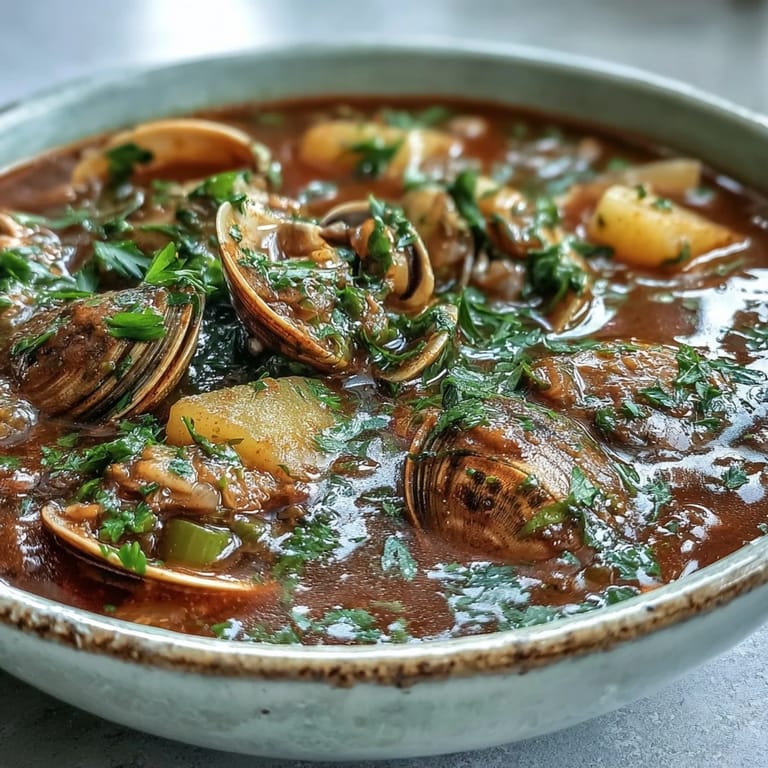
 There was a rainy Tuesday when my neighbor smelled this cooking and knocked on my door asking what it was. I ladled her a bowl right there, and she stood in my kitchen in her wet coat, tasting it slowly, and said something like "this tastes like the ocean knows your name." I don't know if that's accurate, but it stuck with me—there's something about clam chowder that makes people pause and actually taste, rather than just eat.
The Difference Between the Three Chowders
New England clam chowder is the creamy, butter-heavy one that looks almost white and coats your mouth. Manhattan's the tomato-based version that feels brighter and more complex, with acidity that balances the brininess. And then there's Rhode Island chowder, which is kind of the in-between—clear broth, tomato, clams, but lighter and less creamy than New England. Once you understand these distinctions, you can navigate any chowder menu with confidence and know exactly what you're walking into.
Fresh Clams Versus Canned—The Real Talk
Fresh clams give you better flavor and let you capture that cooking liquid, which is genuinely special. But canned clams are not a failure—they're convenient, consistent, and perfectly respectable when you're short on time or living somewhere landlocked. The main difference is that canned clams have already been cooked, so you're just heating them through rather than introducing them to the pot raw. Either way, you're making legitimate soup, and anyone who judges you for choosing canned isn't thinking clearly.
How to Make It Your Own
The base of this recipe is solid, but your kitchen isn't a laboratory. If you love bacon, chop up two ounces, render it gently, and use that fat instead of olive oil—suddenly it's smoky and more complex. If corn speaks to you, throw in a handful when you add the potatoes and it sweetens everything slightly. Red bell pepper instead of green bumps up the natural sweetness, and if you want it heartier, add more potatoes or some white beans. The soup is flexible because the clams and that tomato-broth relationship are the non-negotiables.
- Add bacon rendered fat for a smoky depth that changes the whole personality of the soup.
- Corn kernels stirred in during the last five minutes add unexpected sweetness without being obvious about it.
- Serve with crusty bread or oyster crackers because that's when this soup becomes a full experience, not just a bowl.
 Save to Pinterest
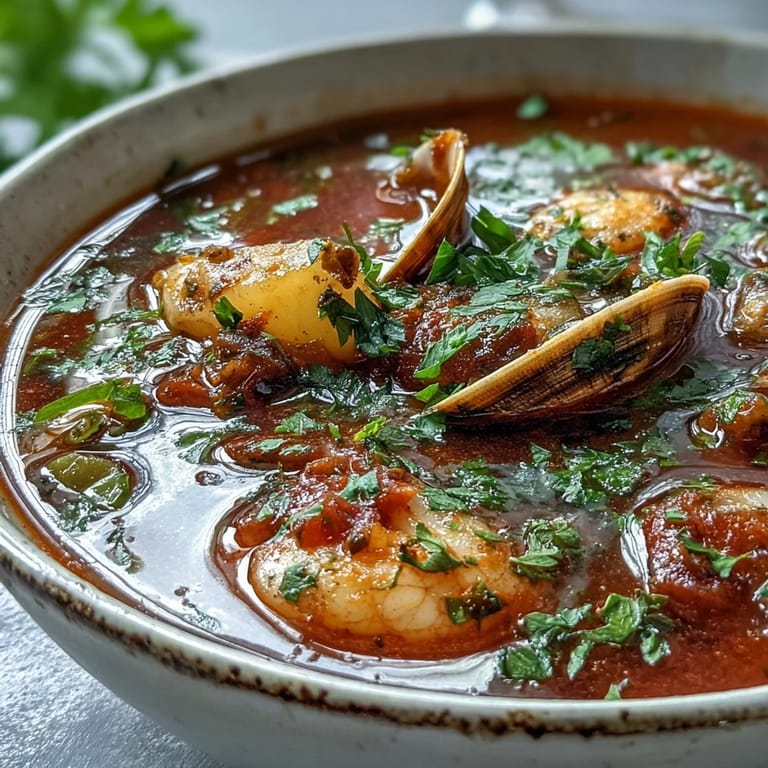
 There's comfort in a pot of this chowder simmering on a cold day, and there's also something generous about it—it feeds people, makes them feel seen, and somehow makes ordinary Tuesday nights feel like something you marked on a calendar. That's the real point.
Ask About This Recipe
- → What makes Manhattan clam chowder different from New England style?
Manhattan clam chowder uses a tomato-based broth instead of the creamy milk or cream base found in New England versions. This creates a lighter, more vibrant soup with a slight acidity from the tomatoes, plus it's naturally dairy-free.
- → Can I use canned clams instead of fresh?
Absolutely. Canned chopped clams work beautifully in this chowder and save significant prep time. Just drain them first and reserve the juice to boost the clam flavor in your broth. If using fresh clams, steam them until they open, then chop and add the strained cooking liquid.
- → How long does leftover chowder keep in the refrigerator?
Stored in an airtight container, leftover Manhattan clam chowder will keep for 3-4 days in the refrigerator. The flavors often develop and improve overnight. Reheat gently on the stovetop over medium-low heat, adding a splash of water or broth if needed to adjust consistency.
- → Can I freeze this clam chowder?
Yes, this chowder freezes well for up to 3 months. Cool completely before transferring to freezer-safe containers, leaving some space for expansion. Thaw overnight in the refrigerator before reheating. Note that potatoes may become slightly softer after freezing, but flavor remains excellent.
- → What vegetables work best in Manhattan clam chowder?
The classic trio includes onion, celery, and carrots for aromatic depth. Green bell pepper adds traditional Northeast flavor, while Yukon gold potatoes hold their shape well during simmering. You can add red bell pepper for sweetness or even corn kernels for extra heartiness.
- → How spicy is this chowder with the red pepper flakes?
The half teaspoon of crushed red pepper flakes adds gentle warmth without overwhelming heat. It's completely optional, so omit if you prefer a milder dish. You can easily adjust the amount to suit your taste preferences—start with less and add more if desired.