 Save to Pinterest
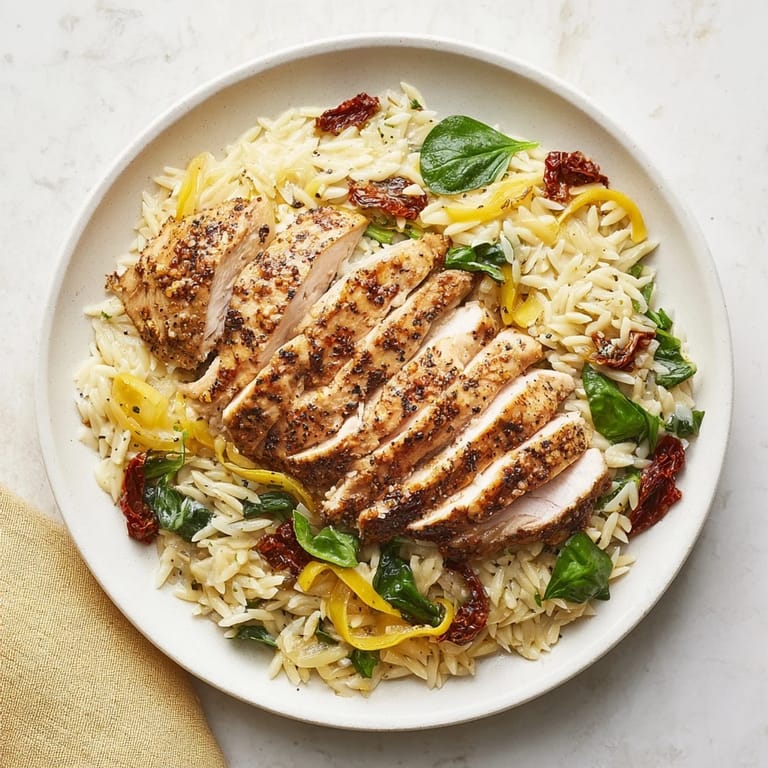
 There's something about a one-pot dinner that makes you feel like you've figured out life, even if it's just for an evening. I discovered this dish on a Tuesday night when I had exactly three things going for me: good chicken, a jar of sun-dried tomatoes I'd been meaning to use, and the kind of hunger that only creamy pasta can fix. The first time I made it, my kitchen filled with this golden, toasty aroma from the seared chicken and garlic, and I remember thinking how such a simple technique—just searing, sautéing, and simmering—could turn into something so elegant. It's become the dish I make when I want to impress someone without spending hours in the kitchen.
I made this for a friend who was going through a rough month, and I'll never forget how she sat at my kitchen counter and just got quieter and quieter as she ate. Not sad-quiet, but the kind of quiet where food is doing its job—making everything feel a little bit okay. She asked for the recipe before she'd even finished her plate, which told me everything.
Ingredients
- Boneless, skinless chicken breasts (4): Pound them gently if they're thicker than an inch so they cook evenly and stay tender—nobody wants a dry edge while the center's still cooking.
- Salt, black pepper, Italian seasoning: These are your base seasoning layer; don't skip them on the chicken itself or you'll lose that crucial first flavor impression.
- Olive oil (2 tablespoons): Medium-high heat is your friend here—you want a proper sear that locks in moisture, not a timid pan that steams the chicken.
- Yellow onion (1 small, finely chopped): The finer you chop it, the faster it disappears into the sauce, almost like a flavor thickener rather than a distinct ingredient.
- Garlic (3 cloves, minced): Fresh garlic is worth the extra thirty seconds of mincing—it blooms when it hits the warm pan and becomes sweet and mellow.
- Sun-dried tomatoes (1 cup, oil-packed): Drain them well and slice them thin; they're concentrated flavor bombs that can overpower if you're not gentle with them.
- Orzo pasta (1½ cups): This rice-shaped pasta is the heart of the dish—it absorbs sauce like a dream and gets creamy in a way regular pasta doesn't.
- Low-sodium chicken broth (2 cups): Stick with low-sodium so you control the salt level as the sauce reduces and intensifies.
- Heavy cream (1 cup): The richness factor; this is what makes people close their eyes and say mmm.
- Freshly grated parmesan cheese (½ cup): Always grate it yourself if you can—pre-grated cheese has anti-caking agents that make the sauce grainy instead of silky.
- Crushed red pepper flakes (1 teaspoon, optional): A small pinch at the end adds a whisper of heat that wakes up all the other flavors without making it spicy.
- Fresh thyme (1 tablespoon leaves): It's subtle and herbal, grounding all that richness with an earthy note.
- Baby spinach (2 cups): Wilts down to almost nothing, but adds color and a slight mineral quality that balances the creaminess.
- Fresh basil and extra parmesan for garnish: These final touches make it look intentional, like you planned elegance all along.
Tired of Takeout? 🥡
Get 10 meals you can make faster than delivery arrives. Seriously.
One email. No spam. Unsubscribe anytime.
Instructions
- Prepare and sear the chicken:
- Pat your chicken dry—this is the non-negotiable step for getting a proper golden crust instead of a pale, steamed look. Season generously on both sides, then let the oil get shimmering before the chicken hits the pan; you'll hear it sizzle immediately if it's ready.
- Build the flavor base:
- Once the chicken's out, the pan is already seasoned with all those gorgeous brown bits. The onion goes in first and softens while releasing its sweetness, then garlic and sun-dried tomatoes join the party for just one minute—enough to bloom but not enough to burn.
- Toast and add the orzo:
- Stirring the dry orzo in the pan for a minute might seem like an extra step, but it changes everything. It takes on a subtle nuttiness and holds its shape better during cooking instead of turning mushy.
- Create the sauce and simmer:
- The broth and cream go in together, and you'll scrape the bottom of the pan to release all those caramelized bits—that's where the real flavor lives. Nestle the chicken back in, cover, and let the gentle heat do its work for 12-15 minutes.
- Finish with cream and greens:
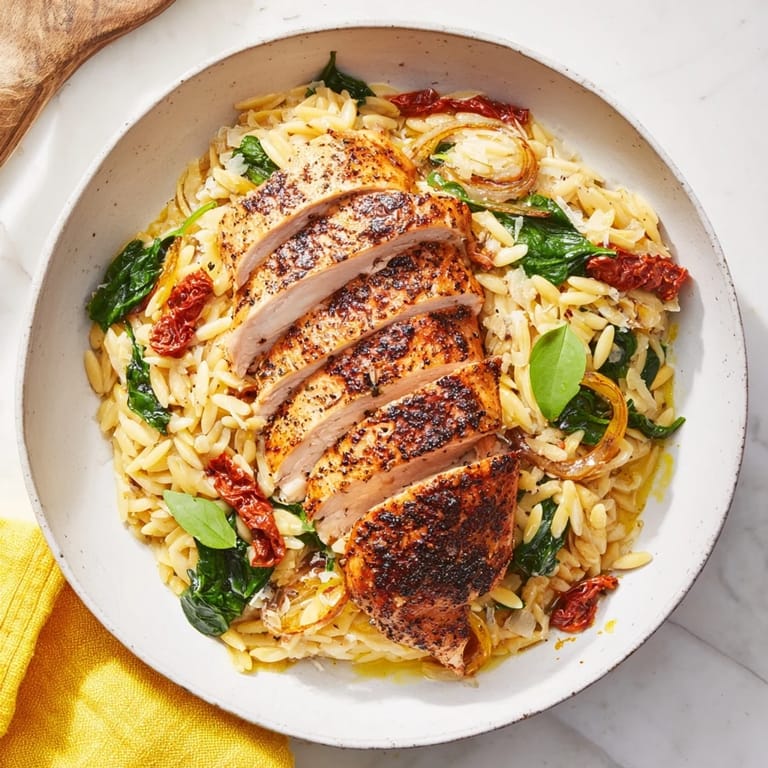
- Once the orzo is tender and the chicken is cooked through, you remove the chicken to let it rest while you stir in the parmesan, thyme, and spinach. The residual heat wilts the spinach into silky ribbons, and the whole dish transforms into this luxurious, glossy sauce.
- Slice, reassemble, and serve:
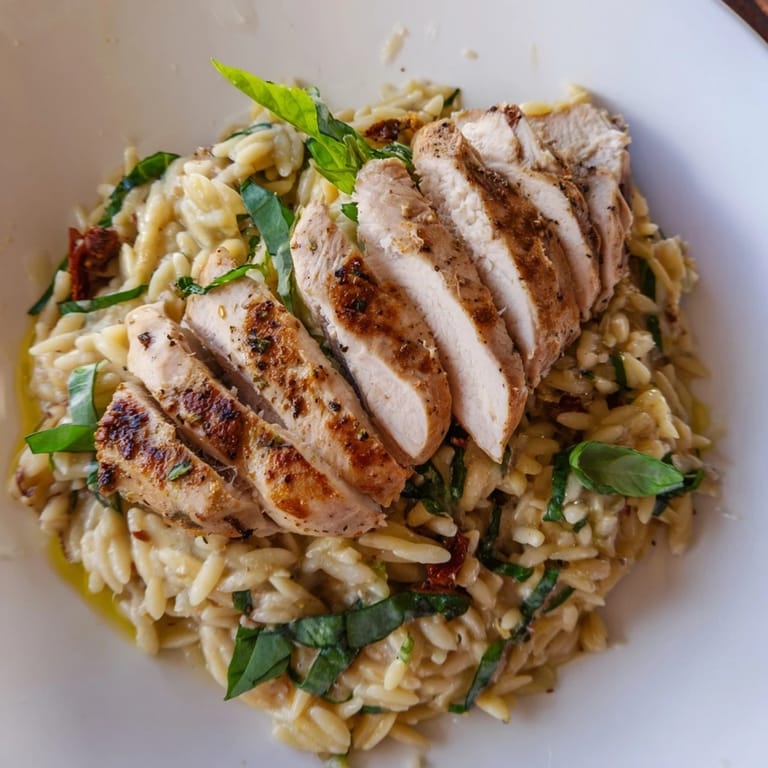
- Slice the chicken into neat pieces and return it to the pan or plate it over the orzo—either way, shower it with fresh basil and a final whisper of parmesan.
 Save to Pinterest
 What makes this dish special isn't any single ingredient or technique—it's the moment when everything comes together in one pan and you realize you've made something that feels both comforting and special at the exact same time. That's the kind of meal that turns an ordinary evening into something worth remembering.
Why This Dish Works Every Time
The beauty of this recipe is in its simplicity and its layering—you're building flavor in stages, which means each element gets its moment to shine. The chicken gets seasoned and seared so it has a flavorful exterior, the aromatics soften and sweeten, the pasta toasts to develop nutty notes, and then everything merges into a creamy sauce that's somehow both decadent and balanced. There's no complicated timing or last-minute panic because everything cooks together in one vessel, which is exactly why it's become my go-to when I want to look like I know what I'm doing in the kitchen.
Customizing Your Version
The skeleton of this dish is forgiving enough to handle a few swaps. If heavy cream feels like too much richness, half-and-half works beautifully and still gives you that silky sauce without the heaviness sitting in your stomach afterward. Roasted red peppers can replace sun-dried tomatoes if you want a brighter, fresher flavor profile, and they also cost less if you're making this on a budget. The spinach is almost interchangeable—arugula would be peppery, kale would be heartier, or you could skip greens entirely if your dinner guests turn their noses up at vegetables.
Pairing and Serving Suggestions
This dish feels fancy enough to serve when you want to impress, but it's also simple enough to make on a Wednesday when you just want something delicious. A crisp white wine like Pinot Grigio or Sauvignon Blanc cuts through the cream and echoes the brightness of the sun-dried tomatoes, making each bite taste even better. Serve it in shallow bowls so the sauce doesn't get lost, and don't forget that last shower of basil—it seems small, but fresh herbs are what make a good meal feel intentional.
- A simple green salad on the side adds freshness and helps balance all that creaminess.
- Garlic bread or crusty bread soaks up every last drop of sauce and absolutely deserves to be part of the equation.
- This dish tastes just as good the next day, and the flavors actually deepen as it sits in the fridge overnight.
 Save to Pinterest
 This recipe has become my answer to the question of what to make when I want to feel confident and cook something that actually tastes like I tried. It's the kind of dish that reminds you why cooking for yourself or for someone else matters.
Ask About This Recipe
- → Can I substitute heavy cream for a lighter option?
Yes, half-and-half can be used instead of heavy cream to reduce richness while maintaining creaminess.
- → How do I ensure the chicken stays tender and juicy?
Searing the chicken breasts before simmering locks in juices, and gentle simmering in the sauce finishes the cooking without drying out the meat.
- → What can I use instead of sun-dried tomatoes?
Roasted red peppers make a great alternative, adding a sweet and smoky flavor.
- → How do I know when the orzo is perfectly cooked?
The orzo should be tender but still with a slight bite, cooked al dente after simmering 12-15 minutes in the sauce.
- → Can I prepare this dish ahead of time?
It's best enjoyed freshly made, but leftovers can be gently reheated on the stove with a splash of broth or cream to restore the sauce’s consistency.
- → What herbs complement this dish best?
Thyme adds an earthy depth during cooking, while fresh basil sprinkled on top enhances aroma and freshness.