 Save to Pinterest
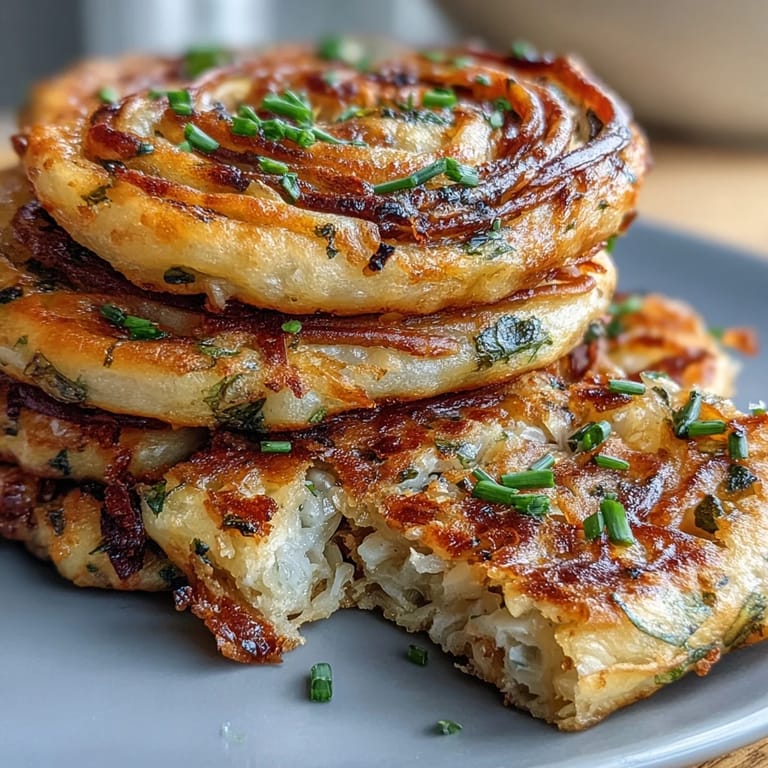
 The sound of sizzling pancakes can transport a whole room into anticipation, and nothing quite beats the aroma of fresh spring onions mingling with golden, crisping dough. I first tried my hand at spring onion pancakes after spotting them being tossed and flipped at a neon-lit Beijing street stall on a chilly autumn night—it seemed so deceptively easy, yet watching the vendor’s practiced flicks left me in awe. My early batches were messy but brimming with the kind of enthusiasm that leads to happy discoveries. When I finally mastered those impossibly flaky layers at home, it felt like capturing a bit of that bustling street magic in my own kitchen. There’s an undeniable joy in peeling each steamy, savory layer apart, especially when dipping them into spicy chili oil and sharing them straight from the skillet.
One especially hectic afternoon, these pancakes pulled my friends and me away from emails and screens for a quick kitchen assembly line. Laughter erupted as someone misread ‘roll like a snail shell’ and made a lopsided spiral we jokingly named the ‘green comet.’ That day, no one cared about perfect shapes—the platter emptied in minutes, with each wedge disappearing between stories and dipping sauces. The informality of the process softened everyone’s mood, transforming our rushed lunch break into a mini celebration. These pancakes have a knack for brightening gray days and bringing people together before a proper meal even hits the table.
Ingredients
- All-purpose flour: Start with a reliable flour; sifting it first makes the dough smoother, and less sticky on your hands.
- Boiling water: The heat helps the flour swell for that signature chewy bite—pour it in gradually so you don’t accidentally scramble your dough.
- Cold water: A splash balances the temperature and brings everything together into a supple, manageable ball.
- Salt: Essential for flavor in both dough and filling—don’t shy away, but keep in mind you’ll sprinkle more later.
- Spring onions (scallions): Use both the white and green parts, sliced as finely as possible for even distribution; I once tried coarser cuts, and regretted the uneven bites.
- White pepper (optional): A pinch brings a gentle warmth; if you skip it, the pancakes are just a little milder.
- Vegetable oil: Use plenty for brushing and frying—generosity here ensures rich, flaky layers and irresistible crispness.
Tired of Takeout? 🥡
Get 10 meals you can make faster than delivery arrives. Seriously.
One email. No spam. Unsubscribe anytime.
Instructions
- Bring the dough together:
- Mix flour and salt, then stir in boiling water, watching the steam curl upwards—it gets a bit shaggy before it smooths out. Add the cold water and knead until the dough becomes soft and elastic, then let it rest under a damp cloth.
- Divide and shape:
- Split the rested dough into four balls; covering them as you go keeps them from drying and makes rolling much easier.
- Roll the first sheet:
- Work one ball at a time, rolling into a thin rectangle until you can almost see light through it. Brush with oil, dust with salt, and scatter over a generous handful of spring onions.
- Roll and spiral:
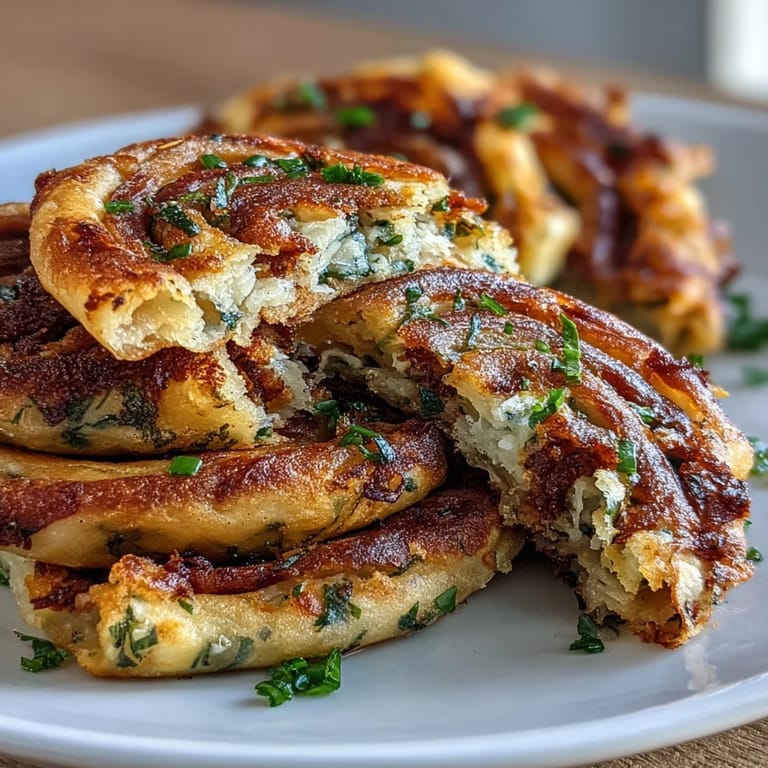
- Roll up the dough into a log, then coil it snugly into a spiral before tucking the end underneath—this step is key for making flaky layers later on.
- Flatten to pancake:
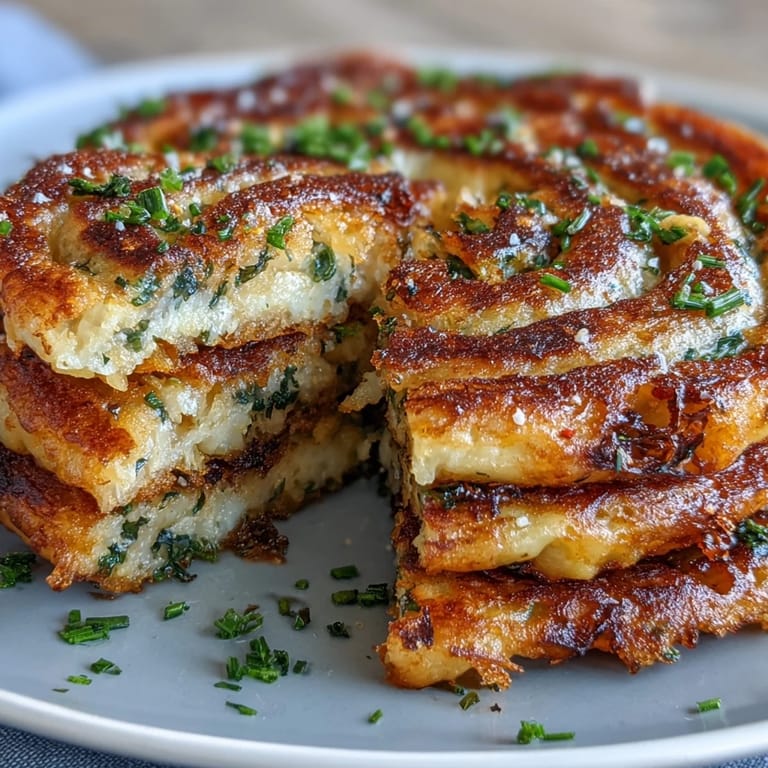
- Roll out the coiled spiral gently into a disc, about six inches wide; you should see flecks of scallion peeping through.
- Fry to golden perfection:
- Heat oil until shimmering, then lay down the pancake; you’ll know it’s ready to flip when you hear a satisfying hiss and spot patches of deep gold. Fry on both sides, add more oil if needed, and drain on paper towels before slicing.
- Serve and savor:
- Cut the hot pancakes into wedges and serve immediately with soy sauce or chili oil for dipping—don’t wait, they’re best warm.
 Save to Pinterest
 There’s a memory that always lingers: the time my youngest cousin, hands floured up to his elbows, declared these pancakes his new favorite ‘food group’ and proceeded to dip every bite in both soy and honey. He still asks for them every visit, and the ritual has turned into our own quirky tradition—simple but always heartfelt.
Scallion Selection: Little Details Matter
After several rounds, I realized that the brightness of your pancakes hinges on using the freshest scallions. Wilted or limp onions can turn the filling soggy, while super-fresh ones keep each bite perky and sweet. I try to slice them as thinly as possible; threadlike slivers mean no sharp bites of raw onion and help those green flecks distribute evenly through the dough.
Oil: The Unsung Hero
Fried food’s reputation is often just about crispiness, but here, how you use the oil makes a real difference. I like to brush each rectangle with a light but visible slick, and not skimp in the pan—you want the surfaces to ripple as they fry. Changing the oil after two pancakes stops any burned bits from tainting the next batch.
Simple Serving, Surprising Variations
Sometimes I add a few teaspoons of toasted sesame seeds to the scallion filling for extra nuttiness, or a spoonful of finely chopped garlic when I want more punch. For a party, a spread of dipping sauces—soy, chili crisp, and black vinegar—turns a casual snack into something memorable.
- Always serve the pancakes hot for the maximum crunch.
- Let everyone tear or cut their own piece for extra fun.
- Don’t be afraid to tweak the filling with whatever fresh herbs you have on hand.
 Save to Pinterest
 Crisp-edged and fragrant, these spring onion pancakes have an uncanny way of bringing people around the kitchen counter with smiles. I hope making them gives you just as many deliciously unexpected moments as it has for me.
Ask About This Recipe
- → How does boiling water affect the dough?
Boiling water partially gelatinizes the flour, producing a more tender, pliable dough that forms delicate layers when rolled and coiled. It helps create the contrast between crisp exterior and tender interior.
- → How can I get extra flaky layers?
Brush each rolled layer generously with oil before adding scallions and rolling. Thin rolling, tight coiling, and gentle flattening help separate layers during frying for a flakier result.
- → What frying oil and heat level work best?
Use a neutral oil with a high smoke point, such as vegetable or canola. Maintain medium heat so the pancakes brown and crisp through without burning; adjust heat as needed between batches.
- → Can I prepare these ahead of time?
You can shape the discs and refrigerate them on a tray for a few hours, covered. For longer storage, freeze between parchment and reheat in a skillet from frozen, adding a little oil to crisp the surface.
- → How should I slice and serve them?
Transfer to a paper towel-lined plate to drain excess oil, then slice into wedges while warm. Serve with soy sauce, chili oil, or a vinegar-based dip for balance.
- → Can I vary the filling?
Yes. Add finely chopped garlic, sesame seeds, or a pinch of white pepper to the scallions for extra flavor. Keep fillings finely sliced so they layer evenly inside the dough.