 Save to Pinterest
 There's a particular evening I think of whenever I make this—standing in a cramped Hanoi kitchen with my host's mother, watching her move with such practiced ease through the caramelization that I was convinced she had some secret I'd never understand. She didn't; it was just repetition and fearlessness with fire. The moment the chicken hit that amber caramel, the smell that rose up was pure umami, funky fish sauce mingling with burnt sugar in a way that shouldn't work but absolutely does. I've made this dish dozens of times since, and it never fails to transport me back to that kitchen, that patience, that exact moment when something clicked.
Years later, I made this for a dinner party where half my guests were nervous about fish sauce, convinced it would taste like low tide. Watching their faces when they took that first bite—the surprise, then the immediate second forkful—was worth every anxious moment I'd spent before they arrived. One friend went back for thirds and asked for the recipe before dessert was even served.
Ingredients
- Boneless, skinless chicken thighs (800 g): Thighs are forgiving; they stay tender even if you're not watching the clock, unlike breast meat which can turn rubbery in seconds.
- Fish sauce (3 tbsp): Yes, it smells funky straight from the bottle, but it's the backbone of this dish—it dissolves into the sauce and adds savory depth that makes people wonder what your secret ingredient is.
- Light soy sauce (2 tbsp): Adds salt and umami without overpowering the more delicate fish sauce notes.
- Brown sugar (2 tbsp): Sweetness that gets woven into the marinade, softening the sharp edges of the fish sauce and lime.
- Lime juice (1 tbsp): Fresh lime juice makes an enormous difference; bottled will disappoint you in ways you'll feel immediately.
- Minced garlic (2 tsp): Freshly minced, not from a jar—the texture matters, and it breaks down differently in the caramel.
- Freshly ground black pepper (1 tsp): Ground fresh right before you use it; pre-ground pepper tastes like dust compared to the real thing.
- Vegetable oil (1 tbsp): Neutral oil that won't fight with the other flavors; peanut oil works beautifully too if you have it.
- Granulated sugar (4 tbsp): This is what becomes your caramel—watch it like you mean it, because burnt sugar tastes like regret.
- Water (3 tbsp): For dissolving the sugar into caramel; use filtered water if your tap water is heavily chlorinated.
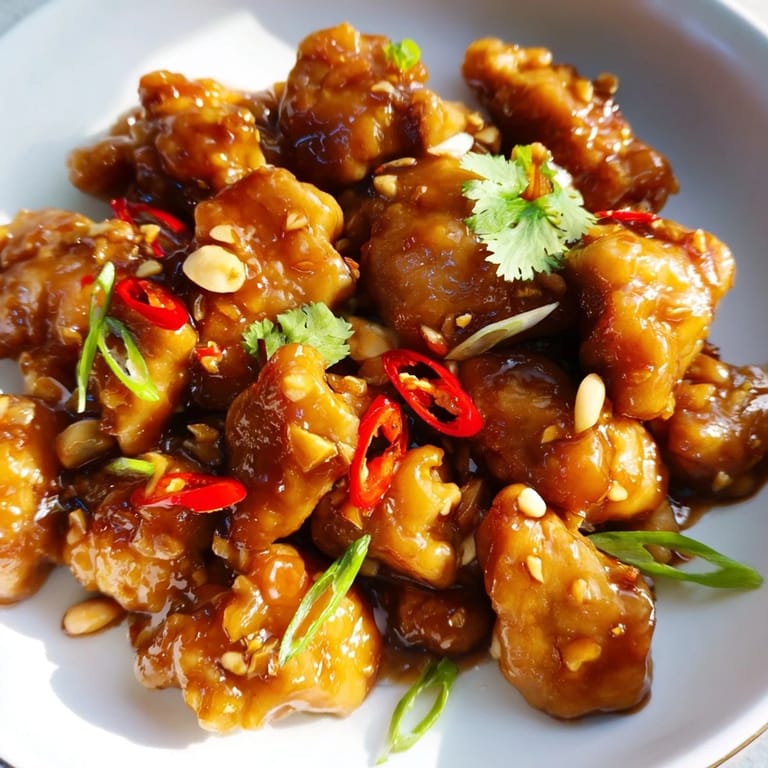
- Spring onions (2, thinly sliced): The garnish that brings freshness and cuts through all that richness.
- Red chili (1, thinly sliced): Optional but recommended—it adds visual pop and a lingering heat that balances the sweetness.
- Fresh coriander leaves: Herbaceous, slightly citrusy, and the final flourish that makes this feel intentional.
Tired of Takeout? 🥡
Get 10 meals you can make faster than delivery arrives. Seriously.
One email. No spam. Unsubscribe anytime.
Instructions
- Marinate the chicken in balance:
- Combine the chicken pieces with fish sauce, soy sauce, lime juice, garlic, and black pepper in a bowl. Let it sit for at least 15 minutes while you breathe and gather your other ingredients; this isn't a race, and the marinade is teaching the chicken its flavor vocabulary.
- Build your caramel without fear:
- In a large skillet or wok over medium heat, add the sugar and water without stirring. Let it sit there and transform—this takes about 4 to 5 minutes. You'll watch it shift from clear to pale gold to deep amber, and that's when you know it's ready. If you stir it, you'll crystallize it into a grainy mess, so resist the urge.
- Commit to the chicken:
- The moment the caramel hits that deep amber, add the marinated chicken and all its liquid in one confident motion. Toss it thoroughly to coat every piece; the caramel will harden slightly and then loosen as the chicken releases its moisture.
- Cook until glossy and done:
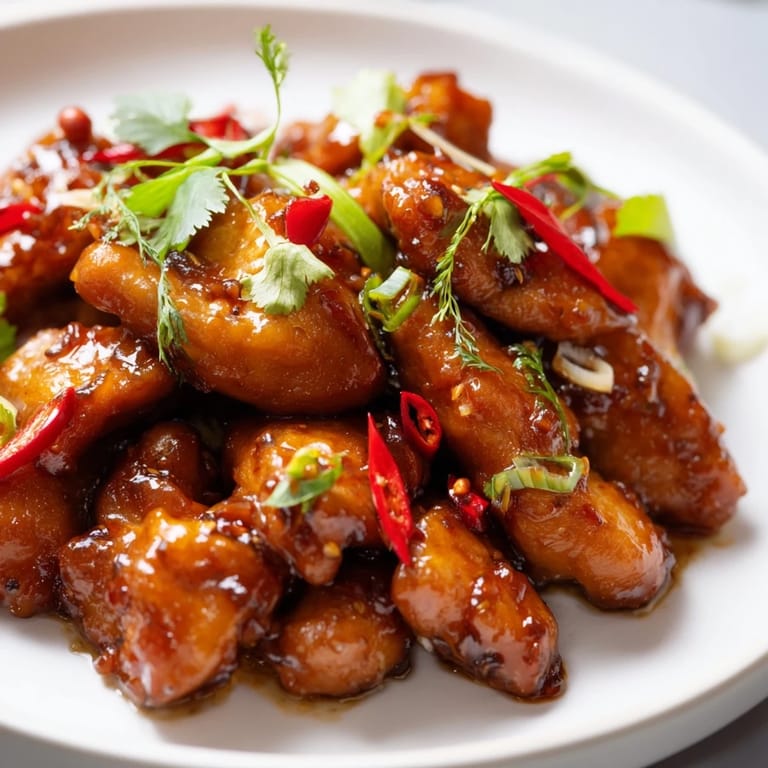
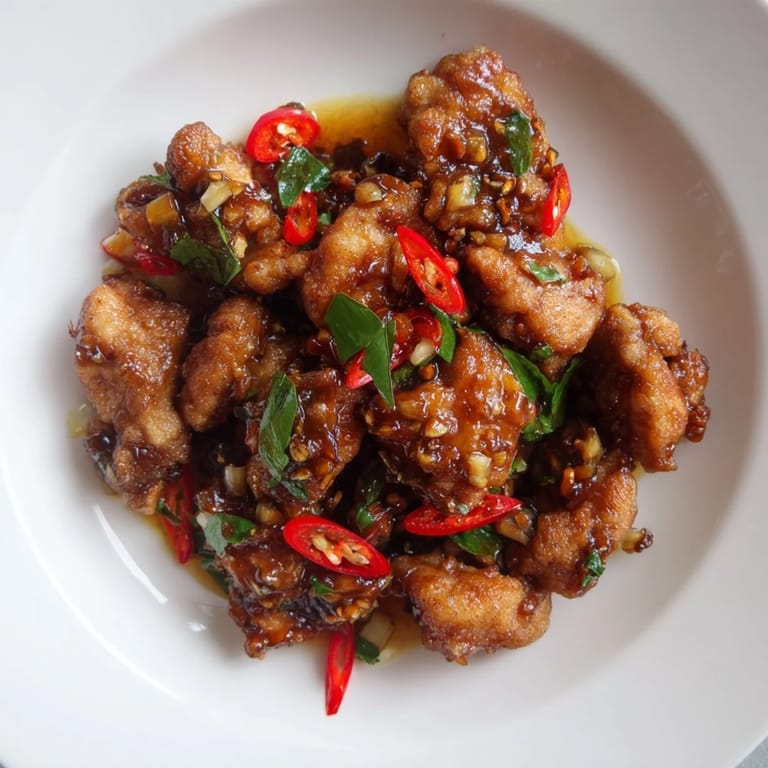
- Turn the heat to medium-high and keep stirring occasionally for 8 to 10 minutes. You're looking for the chicken to be cooked through and the sauce to reduce into a sticky, glossy glaze that clings to each piece like it belongs there.
- Taste and adjust with intention:
- This is your moment to add more fish sauce if it needs more savory depth, or more lime juice if it feels too sweet. Every stovetop is different, and every batch of chicken varies slightly in how it cooks.
 Save to Pinterest
 The first time I served this to someone who grew up eating Vietnamese food, I was terrified they'd critique me. Instead, they ate in quiet focus, and when they finished, they smiled and said it reminded them of their grandmother's kitchen. That's when I realized this isn't just a recipe—it's a doorway to memory and belonging, yours and theirs.
Why Caramel Changes Everything
Caramel is where chemistry becomes magic. That dry sugar in your skillet isn't just sweetening the dish; it's breaking down into complex compounds that taste nothing like plain sugar. The moment it turns amber, it's carrying bitter, slightly toasted notes that dance with the fish sauce's funk and the lime's brightness. Cheap chicken becomes something worth talking about because of what the caramel does to it, how it clings and glosses and makes everything taste intentional.
Serving and Pairing
This dish is built to live on jasmine rice; the plain, fluffy rice is the canvas that lets the caramel sauce shine without competition. I've served it over brown rice to friends trying to be healthier, and it works, but there's something about the delicate sweetness of jasmine that feels right. A crisp white wine cuts through the richness, or if you're leaning into the Vietnamese tradition, iced green tea is perfectly refreshing without trying too hard.
Making It Your Own
Once you understand how this works, you can play with it. Add a cinnamon stick or a star anise to the caramel for depth, or swap the fish sauce for a smaller amount of soy sauce if you're still nervous about commitment to the ingredient. Some people add a splash of rice vinegar at the end for brightness, others finish with a touch of sesame oil. The bones of this recipe are solid enough to hold whatever variation you need to make it feel like yours.
- If you're using chicken breast instead of thighs, slice it thin and don't walk away from the stove.
- Fresh lime juice tastes dramatically better than bottled, and it's worth squeezing.
- Leftovers warm up beautifully and taste even better the next day as the flavors settle and deepen.
 Save to Pinterest
 This is the kind of dish that makes you feel like you've traveled somewhere, even if you're cooking in your own kitchen on a Tuesday night. Make it, taste it, serve it to people you care about—and let the caramel do what it does best.
Ask About This Recipe
- → How do you make the caramel without burning it?
Heat sugar and water gently without stirring, letting it slowly melt and turn amber. Watch carefully to prevent burning and remove from heat once deep amber.
- → Can chicken breast be used instead of thighs?
Yes, but reduce cooking time to avoid dryness, as breast meat cooks faster and is leaner.
- → What does fish sauce contribute to the flavor?
Fish sauce adds a salty, umami depth that enhances the savory profile and balances the sweetness of the caramel.
- → Is it possible to adjust the spice level?
Yes, adding sliced red chili or chili flakes increases heat, while omitting them keeps it mild.
- → What side dishes pair well with this dish?
Steamed jasmine rice complements the sticky, glossy chicken perfectly. Crisp whites or green tea also balance the rich flavors.