 Save to Pinterest
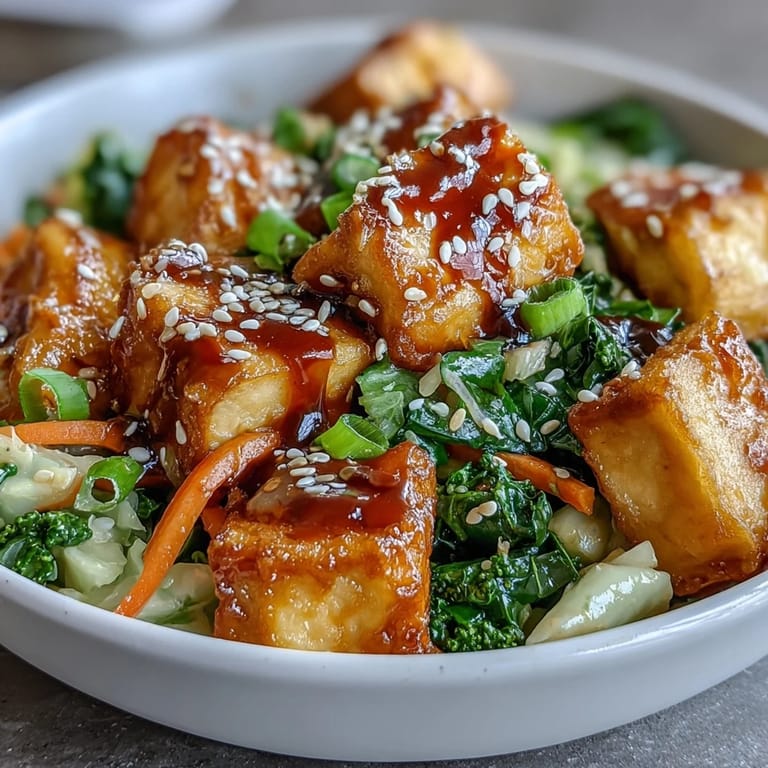
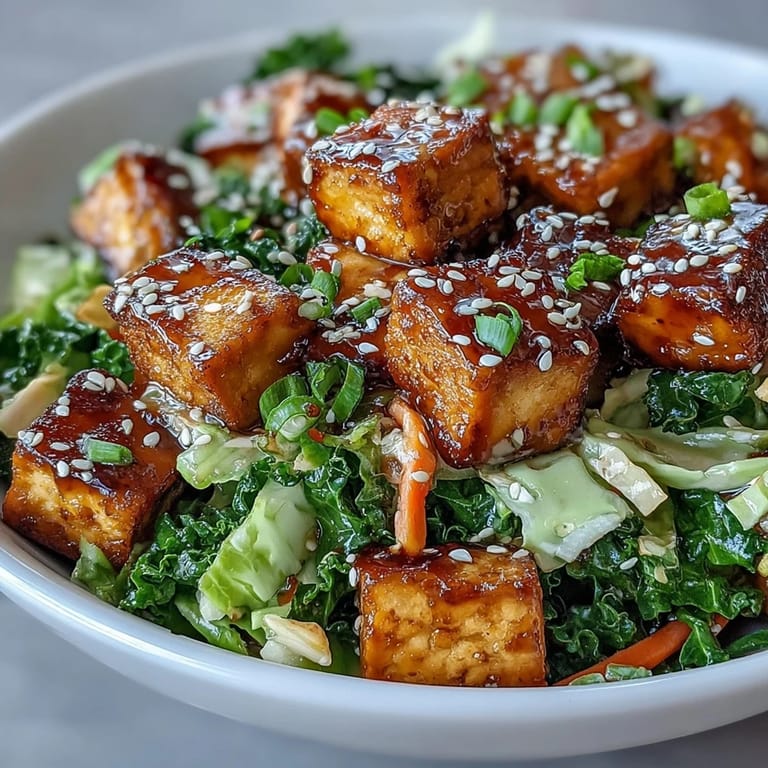
 My roommate once challenged me to prove that plant-based cooking could be just as satisfying as the takeout we'd been ordering every Friday night. I spent an afternoon experimenting with tofu and cabbage, trying to capture that addictive egg roll magic without the deep fryer. What emerged was this bowl—crispy tofu, tender greens, and a sauce so savory it made her pause mid-bite and ask for the recipe.
I made this for my sister during a lazy Sunday meal prep session, and she ended up eating two bowls while we talked about her new job. She came back the next week specifically asking if I'd make it again—that moment when someone requests your cooking is the real win.
Ingredients
- Extra-firm tofu: Press it well between paper towels or in a tofu press before cubing; this step determines whether you get that golden crust or a soggy disappointment.
- Cornstarch: This light coating creates the crispy exterior that makes each bite textural and satisfying.
- Neutral oil: Use sunflower, canola, or vegetable oil for a high smoke point that keeps tofu golden without burning.
- Green cabbage: The foundation of this bowl, it softens just enough while keeping its subtle sweetness and structure.
- Kale: Choose the softer Lacinato variety if possible; it wilts beautifully without becoming bitter when stir-fried quickly.
- Spinach: Add it at the very end so it stays vibrant green and tender rather than dark and mushy.
- Carrot: Julienne it thin so it cooks evenly and adds a natural sweetness that balances the savory sauce.
- Garlic and ginger: Mince them finely so they distribute throughout the pan and perfume the entire dish without overpowering it.
- Low-sodium soy sauce or tamari: This is your umami backbone; tamari works beautifully for anyone avoiding gluten.
- Rice vinegar: A splash of brightness that cuts through the richness and keeps the bowl from tasting one-dimensional.
- Toasted sesame oil: Use the real thing, not the bland imitation; a little goes a long way in building that authentic Asian-inspired depth.
- Maple syrup or agave: Just a touch rounds out the sauce and adds a whisper of sweetness that echoes classic takeout flavors.
- White pepper: It adds a subtle heat without the visual specks of black pepper, keeping the presentation clean.
- Sesame seeds: Toast them lightly yourself if you can; they're better than pre-toasted and add both crunch and visual appeal.
Tired of Takeout? 🥡
Get 10 meals you can make faster than delivery arrives. Seriously.
One email. No spam. Unsubscribe anytime.
Instructions
- Press and prep your tofu:
- Pat your block of extra-firm tofu completely dry using paper towels or a tofu press—moisture is the enemy of crispiness. Cut it into cubes roughly the size of dice and toss them with cornstarch until they're evenly coated, which takes about a minute.
- Get that golden crust:
- Heat your oil in a large skillet or wok over medium-high heat until it shimmers, then add the tofu cubes and resist the urge to stir for the first 2-3 minutes so they can develop that beautiful golden edge. Cook for a total of 6-8 minutes, turning occasionally, until all sides are crispy and golden, then set the tofu aside on a clean plate.
- Build your flavor base:
- In the same hot pan, add your minced garlic, grated ginger, and green onions, stirring constantly for about 1 minute until the kitchen smells absolutely incredible. This quick sauté wakes up the aromatics and prevents them from staying raw.
- Stir-fry your vegetables:
- Add your sliced cabbage, kale, and julienned carrot to the pan, stirring constantly for 3-4 minutes—you want them tender but still with a bit of snap and vibrant color. The vegetables will release their own moisture and create a light steam that helps them cook evenly.
- Wilt the spinach:
- Toss in your spinach and stir for just 1 minute until it's soft and a gorgeous shade of green. Don't overcook it or you'll lose that fresh appeal.
- Make your sauce:
- While the vegetables cook, whisk together your soy sauce or tamari, rice vinegar, sesame oil, maple syrup, and white pepper in a small bowl until the maple syrup dissolves completely. Taste it straight from the spoon to make sure the balance of salty, tangy, and sweet feels right to you.
- Bring it all together:
- Return the tofu to the pan with all the vegetables, pour the sauce over everything, and toss gently but thoroughly for about 2 minutes, allowing the sauce to coat every piece and the flavors to mingle. The whole pan should look glossy and smell like a seriously good takeout dinner.
- Serve and garnish:
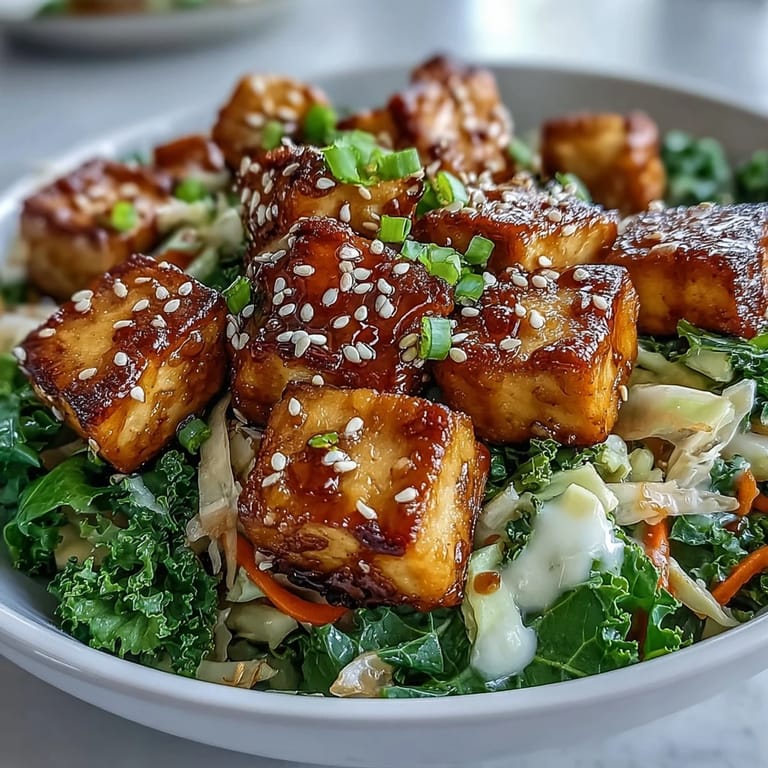
- Divide the bowl among your plates or bowls while everything is still hot, then top each serving with sesame seeds, extra green onions, and chili flakes if you want a little heat. Eat it right away so the tofu stays crispy and the vegetables hold their texture.
 Save to Pinterest
 There was an evening when my partner came home stressed from work, and I had this ready without asking. Watching them take that first bite and visibly relax reminded me that sometimes the most important ingredient is simply showing someone you care through food. That's when this recipe stopped being just dinner and became something meaningful.
Customizing Your Bowl
The beauty of this recipe is how forgiving it is to swaps and substitutions. I've made it with bok choy instead of kale when that's what I had on hand, and it was equally delicious. The vegetables can shift with the seasons—in summer I add thinly sliced bell peppers, and in winter I sometimes throw in broccoli florets or Brussels sprouts halves, just adjusting the cooking time slightly so everything finishes tender at the same moment.
Making It a Complete Meal
While this bowl is protein-packed and satisfying on its own, I often add a grain to make it more substantial for hungrier nights. Brown rice, quinoa, or even rice noodles tossed in at the end transform it from a side dish into a true centerpiece meal that feels complete and grounding.
The Sauce Secret
This sauce is where the magic happens, and understanding how each component works together will make you a better cook. The soy sauce provides the savory depth, the rice vinegar adds brightness, the sesame oil brings toasted richness, and the maple syrup smooths everything out while hinting at the sweetness in traditional egg rolls. I've experimented with different ratios, and while this balance works beautifully, don't be afraid to taste as you build and adjust slightly if you prefer it a touch saltier, tangier, or sweeter.
- Make the sauce first and taste it before adding vegetables, so you can adjust seasonings when you still have room to fix things.
- If you use tamari instead of soy sauce, the flavor will be slightly deeper and more complex, which honestly improves the entire dish.
- The sauce should smell intensely aromatic and make your mouth water—if it's bland, it needs more sesame oil or a pinch more soy sauce.
 Save to Pinterest
 This bowl has quietly become one of my favorite things to cook, the kind of recipe that doesn't feel like you're being virtuous or sacrificing anything—you're just eating something genuinely delicious. I hope it becomes a regular in your kitchen too.
Ask About This Recipe
- → Can I meal prep this bowl?
Absolutely. This bowl stores beautifully in the refrigerator for 4-5 days. For the best texture, keep the garnishes separate and reheat gently in the microwave or skillet. The tofu maintains its flavor well, though it may soften slightly when stored.
- → How do I get the tofu crispy?
Press your tofu well for at least 15-30 minutes to remove excess moisture. Toss the cubes in cornstarch just before cooking, and don't overcrowd the pan. Let them develop a golden crust on each side before turning—about 6-8 minutes total.
- → Can I add more vegetables?
Definitely. This is highly versatile—try adding bell peppers, snap peas, mushrooms, bean sprouts, or baby corn. Just keep the total vegetable amount similar to ensure the sauce coats everything evenly. Adjust cooking times for harder vegetables accordingly.
- → Is this gluten-free?
Yes, simply use tamari instead of regular soy sauce. Tamari has the same savory, umami flavor but is made without wheat. All other ingredients are naturally gluten-free, making this an excellent option for gluten-free diets.
- → What can I serve with this bowl?
This stands alone as a complete protein-rich meal. For more heartiness, serve over brown rice, quinoa, or rice noodles. Crispy toppings like crushed peanuts or cashews add wonderful texture and healthy fats.
- → Can I use a different protein?
While this is designed for tofu, you can substitute with tempeh or seitan using the same method. For a non-vegan version, ground pork, chicken, or shrimp work beautifully—just skip the cornstarch coating and cook until done through.