 Save to Pinterest
 My neighbor surprised me with a carrot cake one April morning, and I remember standing in her kitchen watching her layer three gorgeous rounds while steam still rose from the cooling racks. The smell of cinnamon and nutmeg filled the room, mingling with something earthier from the grated carrots, and I realized I'd been making carrot cake all wrong for years—treating it like a simple one-layer dessert when it could be this elegant, show-stopping celebration. She let me taste a forkful of that cream cheese frosting before it touched the cake, and I was hooked. Since then, I've made this version countless times, each attempt teaching me something new about patience, layering, and why spring deserves a cake that tastes as bright as it looks.
I made this for a spring baby shower last year, and watching three women go back for seconds without even asking what was in it told me everything I needed to know. One of them later texted asking for the recipe because she'd been avoiding carrot cake for twenty years, convinced it was all shredded vegetables and no flavor. The tanginess of the cream cheese frosting against the warm spices convinced her otherwise, and now she makes it for every occasion. Food that changes someone's mind about what they thought they didn't like—that's when you know you've got something special.
Ingredients
- All-purpose flour (2 1/2 cups): This is your foundation, so don't skip sifting it if your flour has been sitting in the pantry awhile—it aerates and prevents a dense cake.
- Baking powder and baking soda (2 tsp and 1 1/2 tsp): Use both because they work together to create a tender crumb and proper rise; one alone won't get you there.
- Cinnamon, nutmeg, and ginger (1 tsp, 1/2 tsp, and 1/2 tsp): These aren't afterthoughts—they're what make people close their eyes and ask what that warm spice is.
- Eggs (4 large): Room temperature eggs mix more smoothly and create a better emulsion with the oil, so take them out of the fridge thirty minutes before you start.
- Granulated and brown sugar (1 1/2 cups and 1/2 cup): The combination gives you sweetness and moisture; brown sugar adds a subtle molasses depth.
- Vegetable oil (1 cup): Oil keeps this cake incredibly moist even days later, unlike butter which dries out faster.
- Unsweetened applesauce (1/2 cup): This replaces some oil to lighten the cake without sacrificing tenderness—a smart substitution I learned from a baker friend.
- Vanilla extract (2 tsp in cake, 2 tsp in frosting): Buy real vanilla if your budget allows; it adds a warmth that imitation can't replicate.
- Finely grated carrots (3 cups): Don't use pre-shredded; they're too dry and thick—a box grater and fresh carrots make all the difference in moisture and flavor.
- Chopped walnuts (1 cup): Toast them lightly first if you have time; it deepens their flavor and makes them less likely to sink to the bottom.
- Cream cheese and butter for frosting (16 oz and 1/2 cup): Softened means they should be at room temperature so they blend without lumps or graininess.
- Powdered sugar, sifted (4 cups): Sifting removes lumps and makes the frosting impossibly smooth and spreadable.
Tired of Takeout? 🥡
Get 10 meals you can make faster than delivery arrives. Seriously.
One email. No spam. Unsubscribe anytime.
Instructions
- Preheat and prepare your pans:
- Set the oven to 350°F and give it a full ten minutes to get there. Grease three 8-inch round pans generously, line the bottoms with parchment paper, and grease the parchment too—this ensures your cakes slide out without any torn edges.
- Whisk your dry ingredients:
- In a medium bowl, combine flour, baking powder, baking soda, cinnamon, nutmeg, ginger, and salt. Whisking together distributes everything evenly so you won't get unexpected spice pockets or dense spots.
- Beat eggs and sugars until fluffy:
- In a large bowl, beat the four eggs with both sugars for about two to three minutes until the mixture looks pale and slightly thickened. This aeration creates a lighter cake structure and helps incorporate air naturally.
- Add wet ingredients slowly:
- Pour in the oil, applesauce, and vanilla while mixing on medium speed, scraping down the bowl once or twice. The mixture should look emulsified and smooth.
- Combine wet and dry gently:
- Reduce speed to low and add the dry ingredients in three additions, mixing just until you see no white streaks of flour. Overmixing develops gluten and makes the cake tough, so resist the urge to keep going until it's perfectly smooth.
- Fold in carrots and walnuts:
- Using a spatula, fold these in by hand with just a dozen or so strokes until they're evenly distributed. Hand-folding keeps you from overworking the batter and ensures the walnuts stay suspended rather than sinking.
- Divide batter and smooth tops:
- Split the batter evenly among the three pans using an ice cream scoop if you have one, then smooth the tops with a spatula so they bake evenly. If the layers bake at different heights, leveling them later is much easier than trying to bake them perfectly flat.
- Bake until just done:
- Set a timer for thirty minutes and check with a toothpick around that mark. The cake is ready when the toothpick comes out clean or with just a few moist crumbs; if it's wet batter, give it another minute or two.
- Cool with patience:
- Let the cakes rest in their pans for ten minutes—this allows them to set slightly so they won't fall apart when you turn them out. Then flip them onto wire racks and cool completely, which usually takes about an hour.
- Make your frosting:
- Beat softened cream cheese and butter together for about two minutes until completely smooth and creamy. Gradually add the sifted powdered sugar, vanilla, and salt, beating on medium speed until you reach a frosting that's fluffy and spreadable, about three to four minutes total.
- Level and layer:
- If your cake layers have domed tops, use a serrated knife to gently shave them flat so the layers stack evenly. Place the first layer on your serving plate, spread frosting on top, then repeat with the second and third layers.
- Frost top and sides:
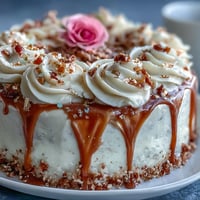
- Use an offset spatula or knife to spread frosting over the entire outside of the cake, creating whatever finish appeals to you—smooth and sleek or rustic and textured are both beautiful. Take your time here; this is where the cake transforms into something that looks as good as it tastes.
- Decorate:
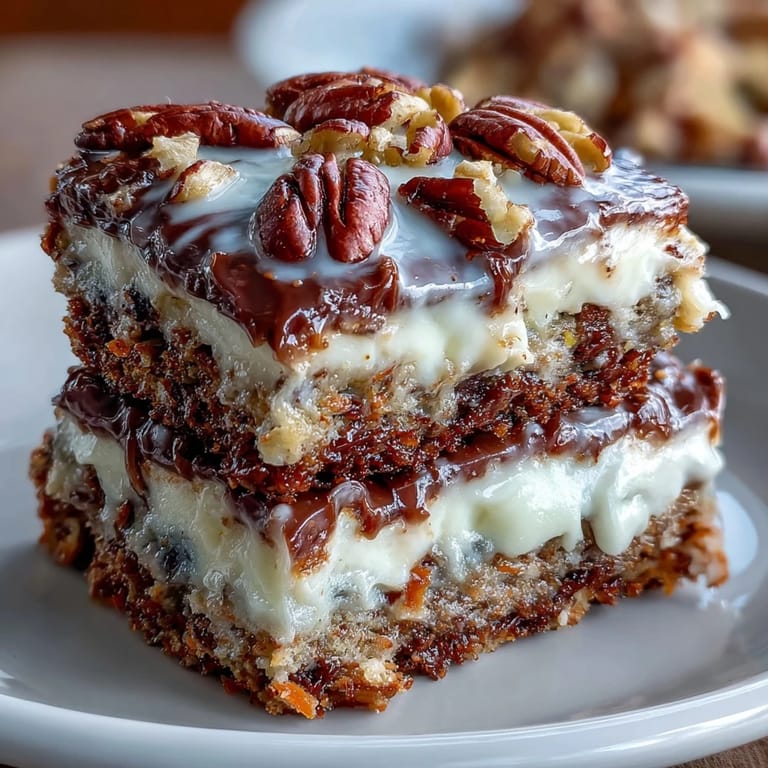
- Top with extra chopped walnuts and fresh edible flowers or carrot curls if you'd like, pressing them gently into the frosting so they stay put. Step back and admire your three-layer creation before anyone discovers it.
 Save to Pinterest
 My sister brought her newborn to taste this cake for the first time when she was a few weeks old, which sounds silly until you realize that baking for people you love means you're building their food memories without them even knowing it yet. Years from now, maybe this cake will be the one she requests for her own celebrations, or maybe she'll make it and pass it to her children. Either way, there's something profound about that continuity happening in a kitchen with three cake layers and tangy frosting.
Why Spring Calls for This Cake
Carrot cake feels like the bridge between heavy winter baking and light summer desserts—it has warmth and substance but also a brightness from the carrots and citrus notes hiding in the spice blend. The cream cheese frosting provides the sharp tang that spring vegetables often have, creating a cake that feels seasonal without being limited to just one time of year. I've learned that spring entertaining deserves desserts that acknowledge the season without relying on fresh berries or chocolate, and this cake does exactly that.
The Three-Layer Advantage
Making three layers instead of two teaches you something important about cake architecture and your own patience. The first time feels elaborate, like you're doing something fancy, but really you're just dividing the same amount of batter more creatively. What you gain is elegance—more frosting layers mean more complexity of flavor, more visual impact, and honestly, more opportunity to mess up that makes the final result more meaningful because you had to think about it.
Storage and Make-Ahead Magic
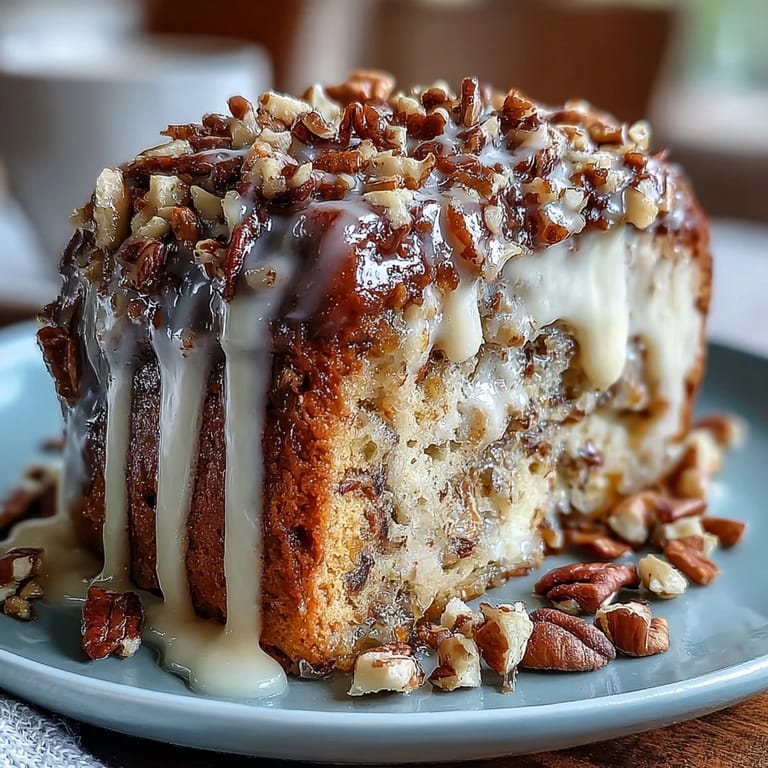
This cake actually improves after a day in the refrigerator because the spices deepen and the layers fuse together into something more cohesive and flavorful. Bake it the day before you need it, frost it in the morning, and by the time people arrive, you're relaxed and the cake is at its absolute best. You can also freeze unfrosted cooled cake layers for up to a week, wrapped tightly in plastic—a trick that lets you spread the work across multiple days.
- Bring refrigerated cake to room temperature for about thirty minutes before serving so the frosting softens and flavors come alive.
- Store leftovers covered in the refrigerator for up to three days, though honestly it rarely lasts that long.
- If you add raisins or dried pineapple as the notes suggest, soak them in warm water first so they stay plump and don't dry out the cake.
 Save to Pinterest
 This cake has become the one I reach for when I want to say something with food—when someone needs celebration or comfort, when seasons change, when you want people to close their eyes on the first bite. That's the kind of recipe worth mastering.
Ask About This Recipe
- → What spices enhance the flavor?
Cinnamon, nutmeg, and ginger combine to add warm, aromatic notes that complement the sweetness of the carrots.
- → Can walnuts be substituted?
Yes, you can replace walnuts with pecans or omit nuts if preferred, though walnuts add a pleasant crunch.
- → How to make cream cheese frosting smooth?
Beat softened cream cheese and butter until creamy before gradually adding powdered sugar and vanilla for a fluffy texture.
- → What is the best way to grate carrots?
Use a fine grater to ensure the carrots evenly incorporate into the batter, providing moisture and texture.
- → Can this be prepared ahead?
Yes, the layers can be baked a day ahead and refrigerated; bring to room temperature before assembling.